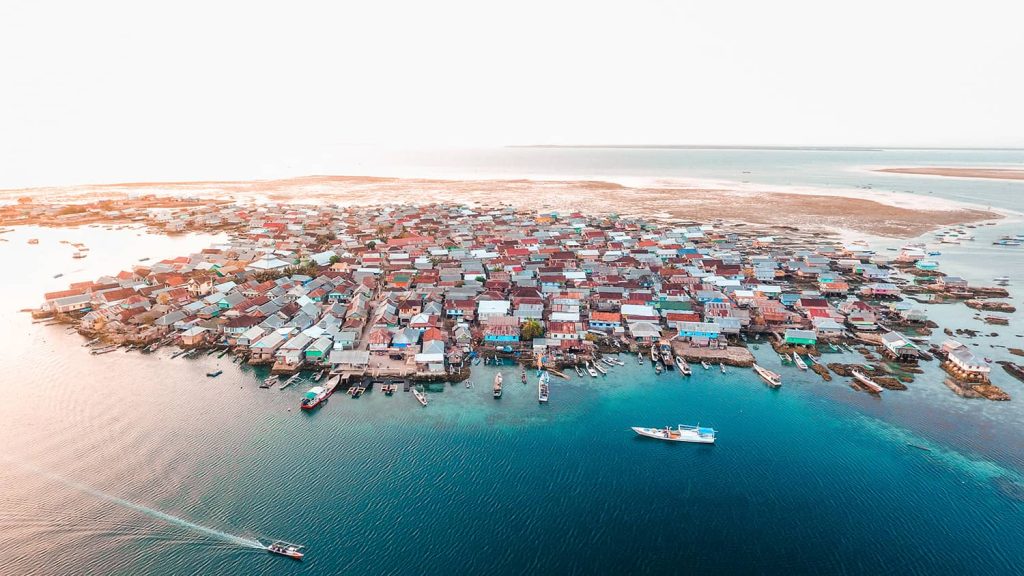
Bungin Island is a densely settled Bajo village in Alas District, Sumbawa Regency, Indonesia. Visitors come to learn about maritime culture, walk through the settlement, and try local seafood. This guide covers access from Lombok and Sumbawa Besar, things to do, and how to plan a respectful visit.
It has long been described as the most densely populated island in the world by international outlets like Al Jazeera and the BBC. Whether or not it formally holds that title today, one thing is certain: there is no other place in Indonesia quite like it.
If you are already planning a trip to Lombok or Sumbawa and want to see something most travellers skip, this guide walks you through what makes Bungin special, how to get there, and what to expect — based on years of bringing visitors here ourselves.
What Makes Bungin Island So Unique?
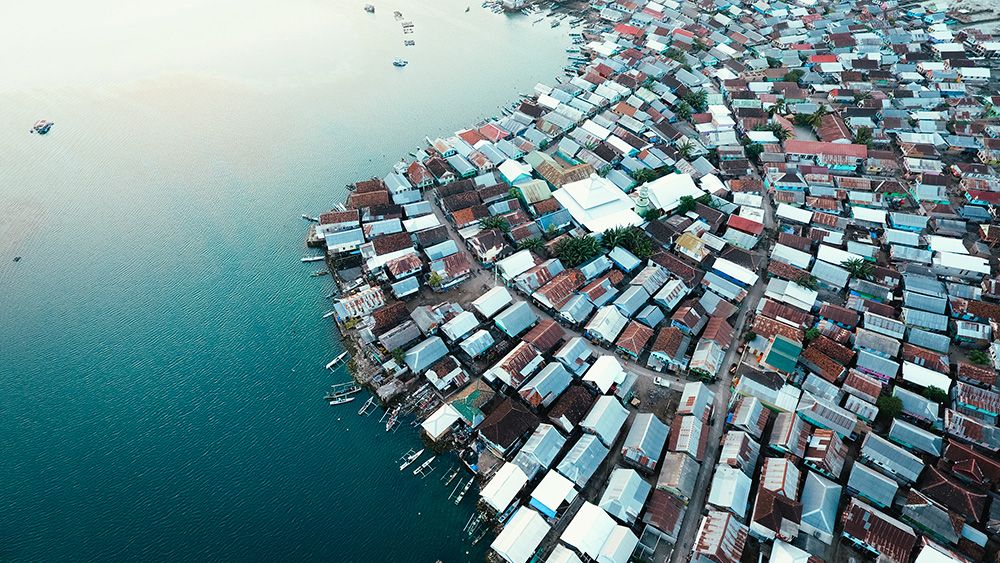
Bungin sits in Alas District, Sumbawa Regency, around 70 kilometres west of Sumbawa Besar. Unlike most islands in this part of Indonesia, it has no beach, no palm trees, and no green space at all. Every square metre is either a house, a narrow alley, or a wooden walkway over the sea.
The island grew from a tiny sandy shoal — originally about 4 by 10 metres — into the dense settlement you see today. The expansion was entirely human-made: residents have been piling dead coral and stones into the sea for over two centuries to create new ground.
This is not a beach destination. It is a cultural one — a chance to see how a community has lived, expanded, and thrived in conditions most modern cities would consider impossible.
A Brief History: How Bungin Became What It Is Today
Bungin’s story is tied to the Bajau people — also known as Bajo or “sea nomads” — one of Southeast Asia’s oldest seafaring cultures.
The Bajau Sea Nomads from South Sulawesi
The Bajau arrived from South Sulawesi roughly 200 years ago, before the eruption of Mount Tambora in 1815. According to local folklore, the first settler was Palema Mayu, the son of a Selayar king, who arrived with a group of followers. Other versions of the story mention twelve siblings who fled colonial pressure in Sulawesi.
Today, the Bajau are recognised as the world’s largest remaining community of sea nomads. While many have settled in coastal villages across Indonesia, the Philippines, and Malaysia, Bungin remains one of the most concentrated examples of their way of life still visible today.
The Marriage Tradition That Grows the Island
Bungin’s most fascinating tradition involves marriage. Before a man can marry, he is expected to prepare the land for his future home — by diving, gathering coral and stones from the sea, and creating a small plot of reclaimed ground.
Family and neighbours typically pitch in. Once the foundation is built, a stilt house goes up on top. This is the reason Bungin keeps growing: an estimated 100 new homes are added each year, slowly expanding the island’s footprint into the surrounding water.
5 Things That Will Surprise You on Bungin Island
Houses Built on Dead Coral
Almost every house in Bungin sits on a foundation of harvested coral, supported by mangrove wood pillars known to last for decades in salt water. The structures are designed to handle waves and seasonal winds — and they have held up for generations.
Paper-Eating Goats
Because no grass grows on the island, the goats here have adapted to eat whatever they can find: paper, cardboard, fabric, and sometimes plastic. It sounds strange, but watching a goat calmly chew through a notebook page is one of the most photographed scenes on the island.
No Beach, No Greenery, Just People
If you arrive expecting tropical scenery, you will be in for a shock. There is no shoreline to walk on, no palm trees, and no grass. What you get instead is a maze of stilt houses, narrow wooden walkways, and a constant hum of community life.
Community Life in a Closely Connected Village
Locals often say they do not bother locking their doors. With everyone knowing everyone, theft is almost unheard of. Visitors usually describe the social atmosphere as warm and unguarded — closer to a single extended family than a typical village.
A Living Glimpse of Bajau Culture
For travellers interested in indigenous cultures, Bungin offers a rare look at Bajau daily life. Men still head out to sea for days at a time to fish. Women dry salted fish on raised wooden platforms. Children grow up learning to swim before they can walk steadily on land. It is not a museum exhibit — it is the actual rhythm of the island.
How to Get to Bungin Island
Reaching Bungin takes a bit of planning, but it is far easier than it used to be. A causeway now connects the island directly to mainland Sumbawa.
From Bali
Most international travellers start from Bali. The most efficient route is:
- Domestic flight from Denpasar to Sultan Muhammad Kaharuddin III Airport in Sumbawa Besar (around 1 hour, with limited daily flights).
- From Sumbawa Besar, drive west to Bungin (around 1.5–2 hours).
Alternatively, you can travel overland through Lombok — see the next section.
From Lombok (Mataram)
If you are already on Lombok, plan for a 5–6 hour journey in total:
- Mataram → Kayangan Port (East Lombok): around 2 hours by car.
- Kayangan → Poto Tano Port (Sumbawa): a 1.5–2 hour ferry crossing. Fares depend on the type of vehicle you bring.
- Poto Tano → Bungin Island: 1–1.5 hours by car through Alas District.
Ferries run roughly hourly but can be delayed in rough weather.
From Sumbawa Besar
This is the shortest option — about 1.5–2 hours by road, heading west of the city. You can drive directly across the causeway without needing a boat. Local motorboats are also available from Alas Port for a more traditional experience.
Things to Do on Bungin Island
The island is small enough to explore in half a day, but a few specific experiences stand out.
Fresh Seafood at the Floating Restaurant
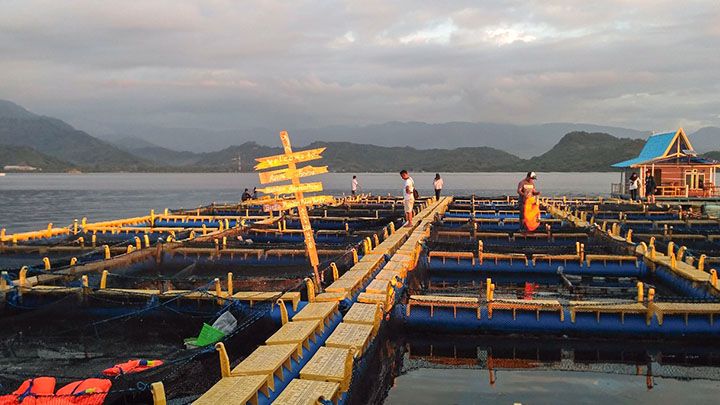
The Bungin Floating Restaurant (Resto Apung Bungin) is the highlight for most visitors. Built directly over the water and connected by a short boat ride from the main dock, it serves a wide variety of fresh seafood — grouper, snapper, prawns, squid, lobster, and shellfish.
Many of the fish are kept in floating pens around the restaurant, so you can choose your meal directly. For larger groups, we usually recommend booking ahead.
Wander the Narrow Alleys
After lunch, take time to walk through the gaps between houses. You will see fishing nets being repaired, salted fish drying in the sun, and children playing in the shallow water beneath the walkways. It is a good idea to ask permission before photographing people, especially in residential areas.
Visit the Fishermen’s Museum
Near the entrance to the island, the small Fishermen’s Museum offers context on Bungin’s maritime heritage. It is not a large institution, but it is worth a stop to understand how the Bajau view their relationship with the sea.
Watch Traditional Bajau Dances
If you are lucky enough to visit during a community event, you might catch performances of Gentao — a martial-arts-inspired men’s dance — or the more social Joge Bungin. Our team can usually check in advance whether any performances are scheduled around your visit.
Swim and Catch the Sunset at the Pier
Late afternoon is the best time to swim. The local kids are remarkable swimmers and often happy to show off their skills. Stick around for sunset — without a beach, the dock becomes the prime viewing spot, and a cup of local Tepal coffee from Sumbawa is the right way to end the day.
Best Time to Visit Bungin Island
The dry season — roughly April through October — is the most reliable time to visit. The seas are calmer, ferry schedules run on time, and walking around the island is more comfortable.
The rainy season (December to February) brings heavier seas, more frequent ferry delays, and occasional flooding of lower walkways. We generally advise against attempting the trip during this period unless your schedule is flexible.
For the best light and atmosphere, plan to arrive on the island around midday and stay through sunset.
Travel Tips from Our Local Guides
A few things we always remind our guests before a Bungin visit:
- Respect the community. Bungin is a real, living village — not a curated tourist site. Quiet greetings and a smile go a long way.
- Always ask before taking photos, particularly of children. Most residents are happy to oblige, but the courtesy matters.
- Dress modestly and comfortably. This is a Muslim-majority Bajau community, so loose, lightweight clothing that covers the shoulders and knees is appropriate.
- Bring sturdy footwear. You will be walking a lot on wooden boards that can be uneven or wet.
- Carry cash. Few places on the island accept digital payments.
- Visit in the late afternoon if possible. The light is better, the heat is less intense, and you can stay through sunset.

One Day Trip Agal Waterfall And Bungin Island
From
IDR 410,000
per person
Where to Stay on Bungin Island
Most travellers visit Bungin as a day trip, but overnight options exist for those who want a deeper experience:
- Local stilt-house homestays managed by Bungin residents. Rates start around IDR 200,000 per night, and include a basic but authentic experience inside a traditional Bajau home.
- Bungin Floating Restaurant accommodation offers a small number of rooms over the water with basic amenities. Availability is very limited, so advance booking is essential.
For more comfort, many of our guests prefer to stay in Sumbawa Besar and visit Bungin as a half-day or full-day trip.
Frequently Asked Questions About Bungin Island
Is Bungin Island really the most densely populated island in the world? Bungin has long been described as the most densely populated island in the world by international media, including Al Jazeera and the BBC. Some sources clarify that it is among the densest in Indonesia rather than globally. Either way, the population density is striking — easily one of the most concentrated places you will ever walk through.
Is Bungin Island worth visiting? For travellers interested in culture, indigenous communities, or unusual destinations, yes. If you are looking for beaches and resorts, Bungin will not be a fit — there are no beaches or scenic landscapes in the usual sense.
What should I know before visiting Bungin Island? This is a residential village. Ask before photographing people, respect private homes, and watch your footing on narrow or wet walkways. A local guide can help explain the community’s history and customs.
Can I stay overnight on Bungin Island? Yes, basic homestays and floating restaurant rooms are available. Most international visitors choose to stay in Sumbawa Besar instead, where comfort levels are higher.
How long should I spend on Bungin Island? A focused visit of 3 to 4 hours covers lunch and a walking tour. To enjoy the sunset and explore at a slower pace, plan for half a day. Overnight stays are best for travellers who want to experience the island’s morning and evening rhythms.
Plan Your Visit with The Langkah Travel
Bungin Island is one of the most distinctive cultural destinations in Sumbawa, and works well as part of a broader trip across Lombok and West Nusa Tenggara. Eating fresh seafood over the water, watching paper-eating goats, and walking through a coral-built village are experiences that genuinely do not exist anywhere else.
If you are putting together a Sumbawa tour package or simply want help arranging transport and accommodation around Bungin, our local team is happy to help. Contact us via WhatsApp or our website for tailored options that fit your schedule.