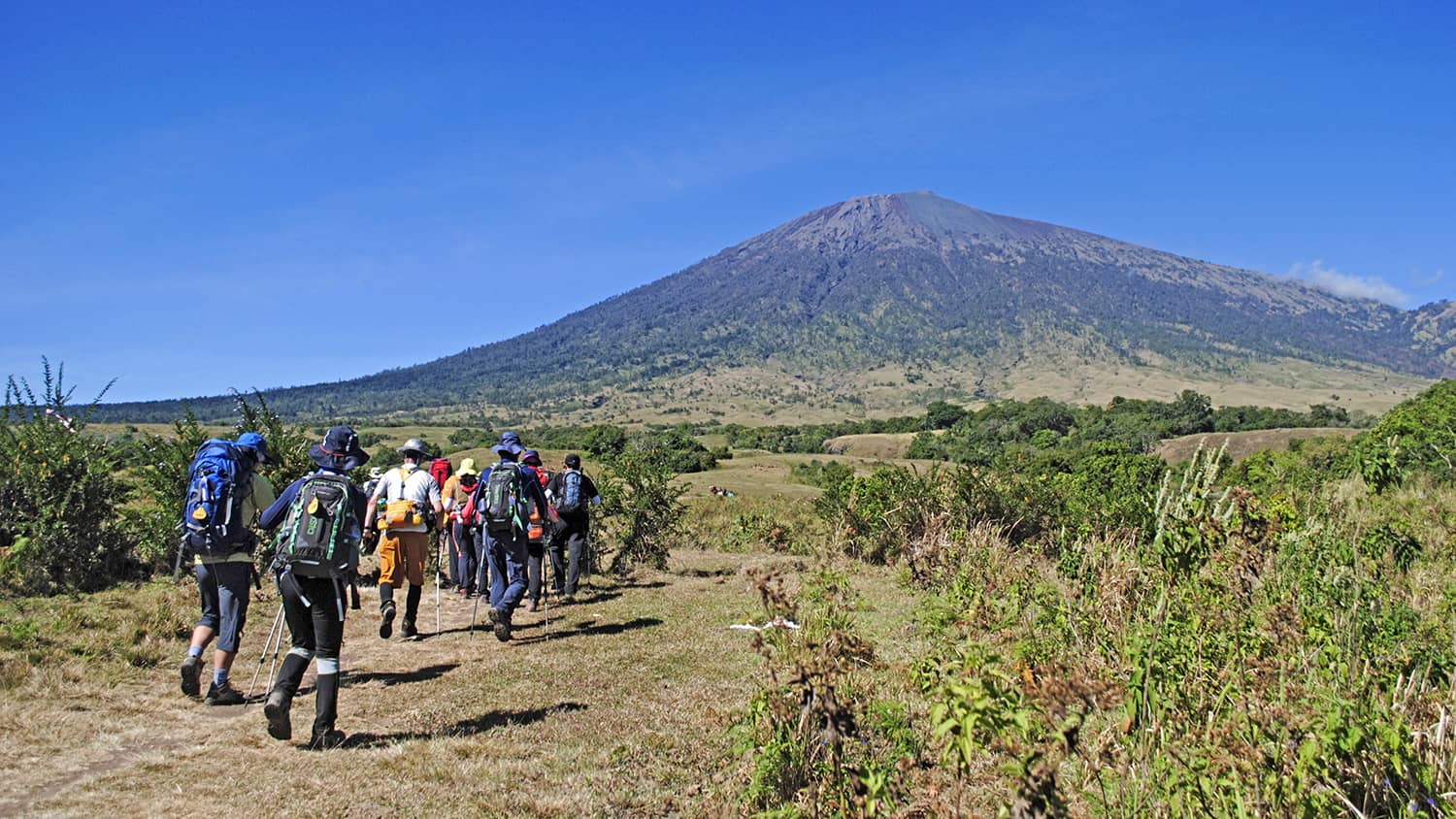
Home › Mount Rinjani Trekking
Mount Rinjani Trekking Packages
Compare summit, Segara Anak Lake and crater-rim routes through Sembalun, Senaru, Torean and Aik Berik. Multi-day package names include the arrival day and one hotel night; trekking days are shown separately. A one-day Senaru trek is also available without an overnight stay.
Choose your total trip duration
Multi-day package names include Day 1 arrival and one hotel night. Trekking starts on Day 2 and lasts at most 4 days 3 nights. The one-day Senaru trek has no overnight stay.
Rinjani 3 Days 2 Nights · Rinjani 4 Days 3 Nights · Rinjani 5 Days 4 Nights · Rinjani 1 Day
2 trekking days + arrival & hotel
Rinjani 3 Days 2 Nights
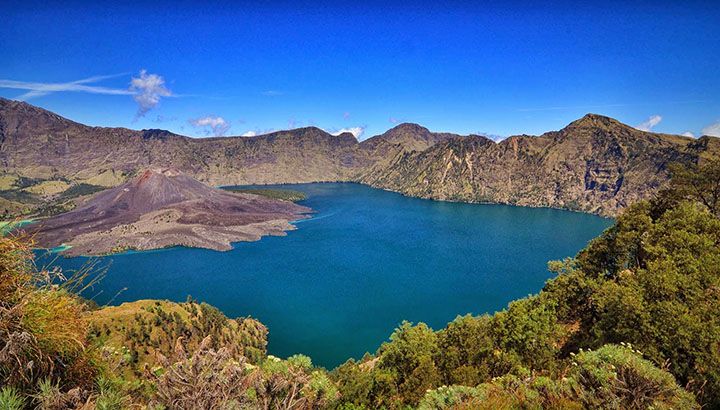 3D2N total · 2D1N trekking
Senaru Crater Rim Package 3 Days 2 Nights
Total trip: 3 days 2 nights. Includes 2 days 1 night trekking and 1 hotel …
Start
Price coming soon
/ person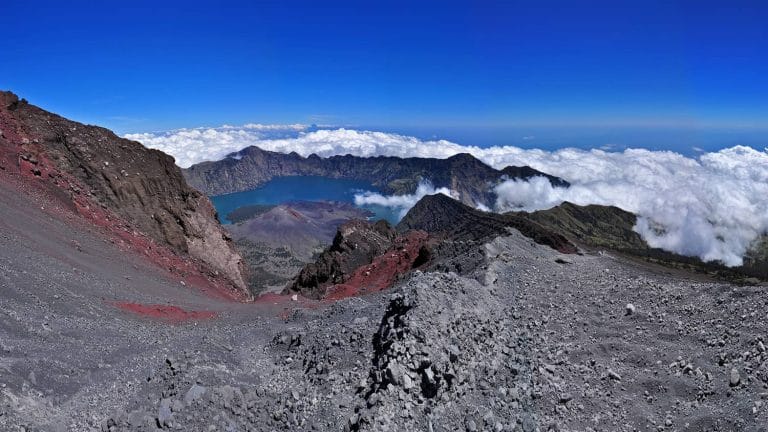 3D2N total · 2D1N trekking
Rinjani Trekking Package 3 Days 2 Nights Via Sembalun
Summit of 3726 Meters Above Sea Level
Start
IDR 2,850,000
/ person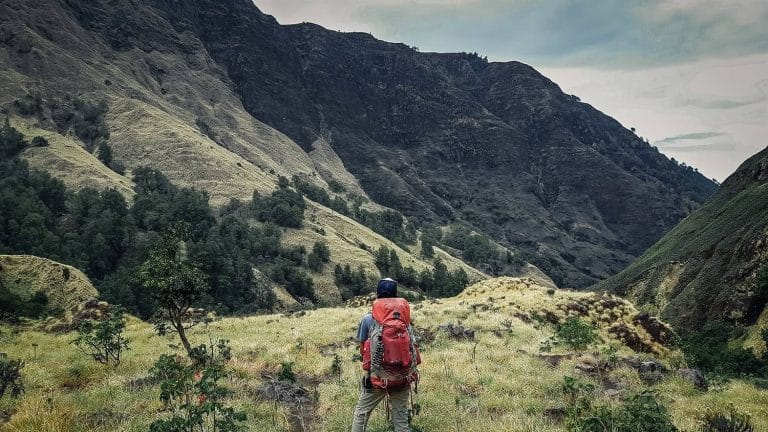 3D2N total · 2D1N trekking
Rinjani Trekking Package 3 Days 2 Nights Via Aik Berik
Rinjani Via Anti Mainstream Route
Start
IDR 2,850,000
/ person3 trekking days + arrival & hotel
Rinjani 4 Days 3 Nights
4D3N total · 3D2N trekking
Rinjani Lake Package 4 Days 3 Nights — Torean to Senaru, No Summit
Total trip: 4 days 3 nights. Includes 3 days 2 nights trekking and 1 hotel …
Start
Price coming soon
/ person
4D3N total · 3D2N trekking
Rinjani 4 Days 3 Nights — Summit & Lake, Sembalun to Senaru
Total trip: 4 days 3 nights. Includes 3 days 2 nights trekking and 1 hotel …
Start
Price coming soon
/ person
4D3N total · 3D2N trekking
Rinjani Lake Package 4 Days 3 Nights — Senaru to Torean, No Summit
Total trip: 4 days 3 nights. Includes 3 days 2 nights trekking and 1 hotel …
Start
Price coming soon
/ person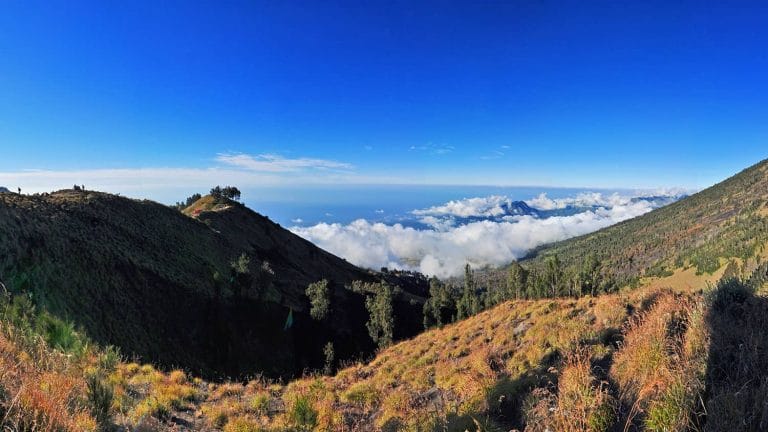 4D3N total · 3D2N trekking
Rinjani Trekking Package 4 Days 3 Nights Via Sembalun
Summit & Segara Anak Lake
Start
IDR 3,860,000
/ person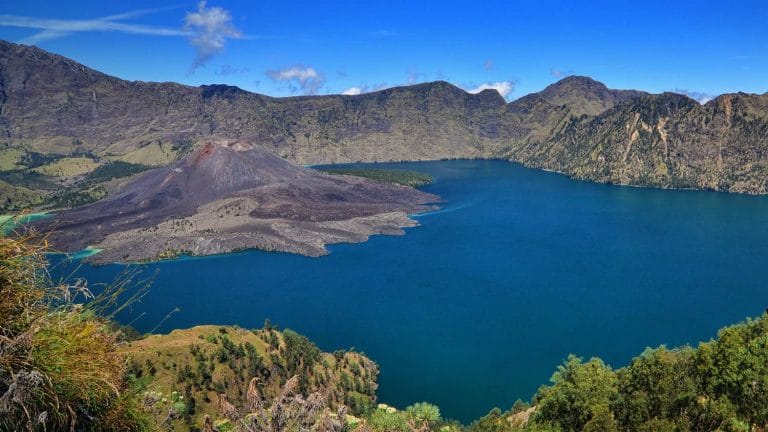
4 trekking days + arrival & hotel
Rinjani 5 Days 4 Nights
5D4N total · 4D3N trekking
Rinjani 5 Days 4 Nights — Summit & Lake, Senaru to Sembalun
Total trip: 5 days 4 nights. Includes 4 days 3 nights trekking and 1 hotel …
Start
Price coming soon
/ person
5D4N total · 4D3N trekking
Rinjani 5 Days 4 Nights — Summit & Lake, Sembalun to Senaru
Total trip: 5 days 4 nights. Includes 4 days 3 nights trekking and 1 hotel …
Start
Price coming soon
/ person
5D4N total · 4D3N trekking
Rinjani Lake Package 5 Days 4 Nights — Senaru to Torean, No Summit
Total trip: 5 days 4 nights. Includes 4 days 3 nights trekking and 1 hotel …
Start
Price coming soon
/ person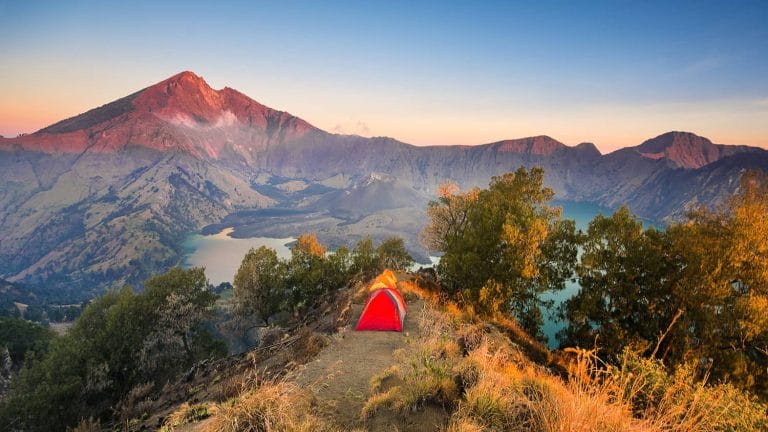 5D4N total · 4D3N trekking
Rinjani Trekking Package 5 Days 4 Nights Via Sembalun
Summit & Segara Anak Lake (More Relaxed Journey)
Start
IDR 5,370,000
/ personSame-day trek · no overnight
Rinjani 1 Day
1 day trekking · no overnight
Senaru Crater Rim One-Day Trek
Total trip: 1 trekking day, without an overnight stay. Arrive in Senaru before the agreed …
Start
Price coming soon
/ personWhy Us
Why Trek with The Langkah Travel
Complete Route & Duration Options
Choose a summit, lake-only or crater-rim route via Sembalun, Senaru, Torean or Aik Berik. Compare total trip days and trekking days separately in the package categories above.
Full Service & Well Organized
Multi-day programs combine an arrival hotel night with trekking. Transport, guides, porters, meals and camping equipment follow the facilities listed for your chosen package. The one-day trek has no hotel stay or overnight camping.
Secured Quota via Official Organizer
We use the official trekking organizer (TO) quota regulated by Rinjani National Park, ensuring proper permits and a smoother registration process
Experienced Guides & Porters
Our guides and porters are experienced with Rinjani’s terrain, weather, and safety procedures, making the trek safer and more comfortable, especially for beginners
Iconic Rinjani Landscapes
Enjoy breathtaking views of Segara Anak Lake, Mount Barujari, Sembalun savanna, and the lush tropical forest of Senaru in one unforgettable trekking experience
Private or Group Options Available
The package can be arranged as a private trek or group program, suitable for solo travelers, couples, or trekking communities
Google Reviews
Customer Testimonials




Our Clients
Trusted by Leading Companies & Institutions
Company gatherings, corporate outings, and study tours — traveling with us since 2012.













Complete Guide
Everything you need to know before you trek
About Mount Rinjani
Quick Facts
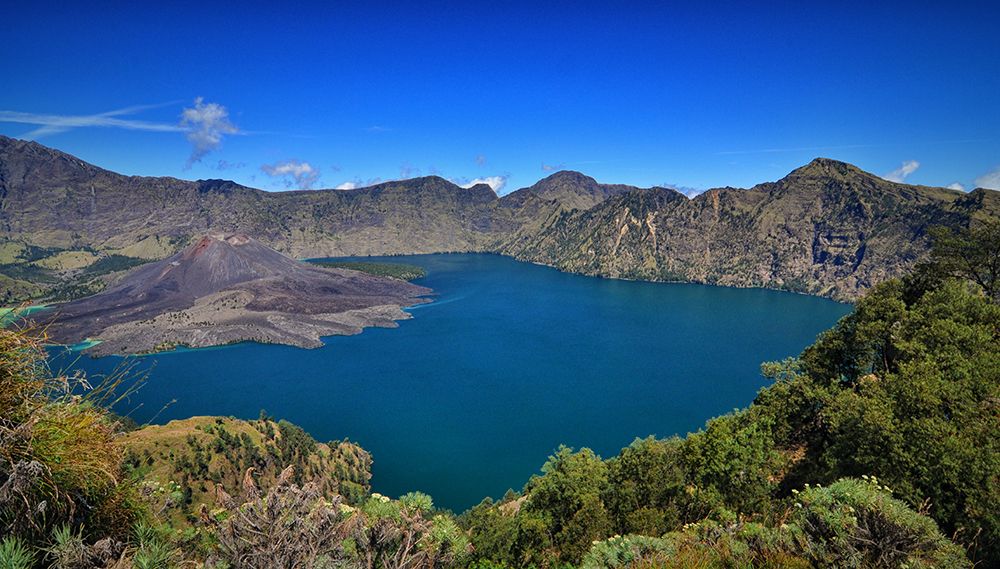
Mount Rinjani is the third-highest peak in Indonesia and the second-highest active volcano. The summit sits at 3,726 meters above sea level. Inside its caldera, you’ll find Segara Anak, a turquoise crater lake about 2,000 meters above sea level and roughly 200 meters deep. A small active cone called Mount Barujari rises from the lake, and natural hot springs dot its edges.
A UNESCO Global Geopark
In April 2018, Mount Rinjani’s caldera was added to the UNESCO Global Geoparks Network. Beyond the prestige, this status means the area is managed under international conservation standards. Every visitor shares some responsibility for keeping the mountain clean.
What Makes Rinjani Different
The variety. In a single 3 or 4-day trek, you walk through wide-open savanna, dense tropical forest, ridges with views over the entire caldera, hot springs at lake level, and volcanic sand near the summit. Few mountains in Southeast Asia pack this much landscape diversity into one trip.
Choose Your Trekking Route
There are five official trekking routes on Mount Rinjani. Each has its own character, difficulty, and views. Choosing the right one matters more than most travelers realize. For something lighter, see our Lombok adventure tours (soft trekking).
Sembalun Route — The Summit Favorite
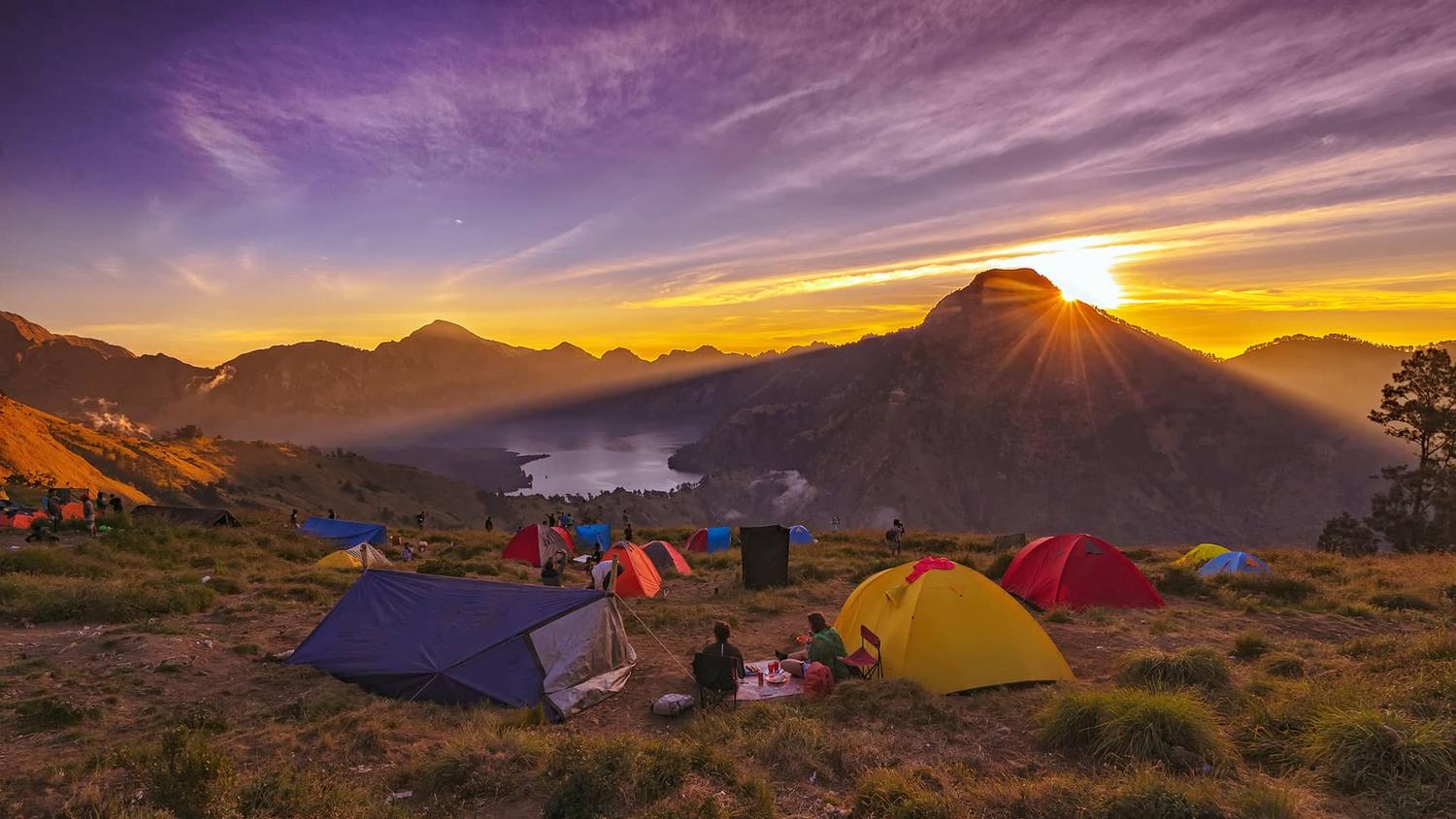
Starts in Sembalun Lawang village in East Lombok, around 3.5 hours by car from Lombok International Airport. The first half is gentle, with savanna grasslands stretching for hours. After Post 3, the famous Bukit Penyesalan (Hill of Regret) is a stretch of steep, exhausting climbs to the Sembalun crater rim at 2,639m.
- Best for: travelers targeting the summit, especially first-timers
- Common durations: 3D2N, 4D3N
- Character: open, sunny, less shade
Senaru Route — The Classic Rainforest Trail
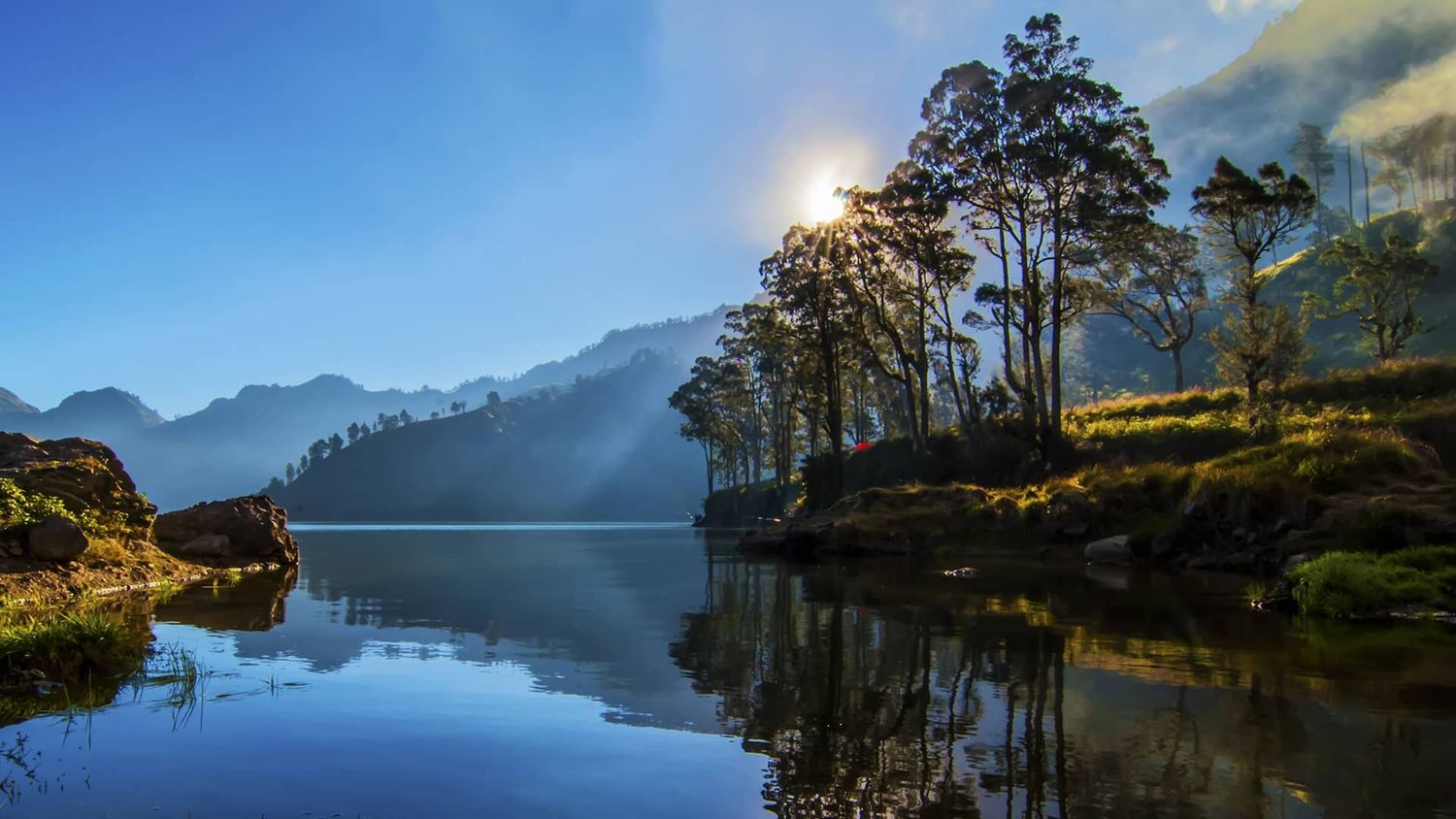
Starts in Senaru village in North Lombok, around 2.5 hours from the airport. The trail climbs steadily through dense rainforest, which keeps you shaded most of the day. Bonus: Senaru is close to Sendang Gile and Tiu Kelep waterfalls, which we usually include in the itinerary if there’s time.
- Best for: trekkers who prefer shade and lush forest scenery
- Common durations: 3D2N, 4D3N
- Character: forested, cooler, can be slippery in wet conditions
Torean Route — Sacred and Spectacular
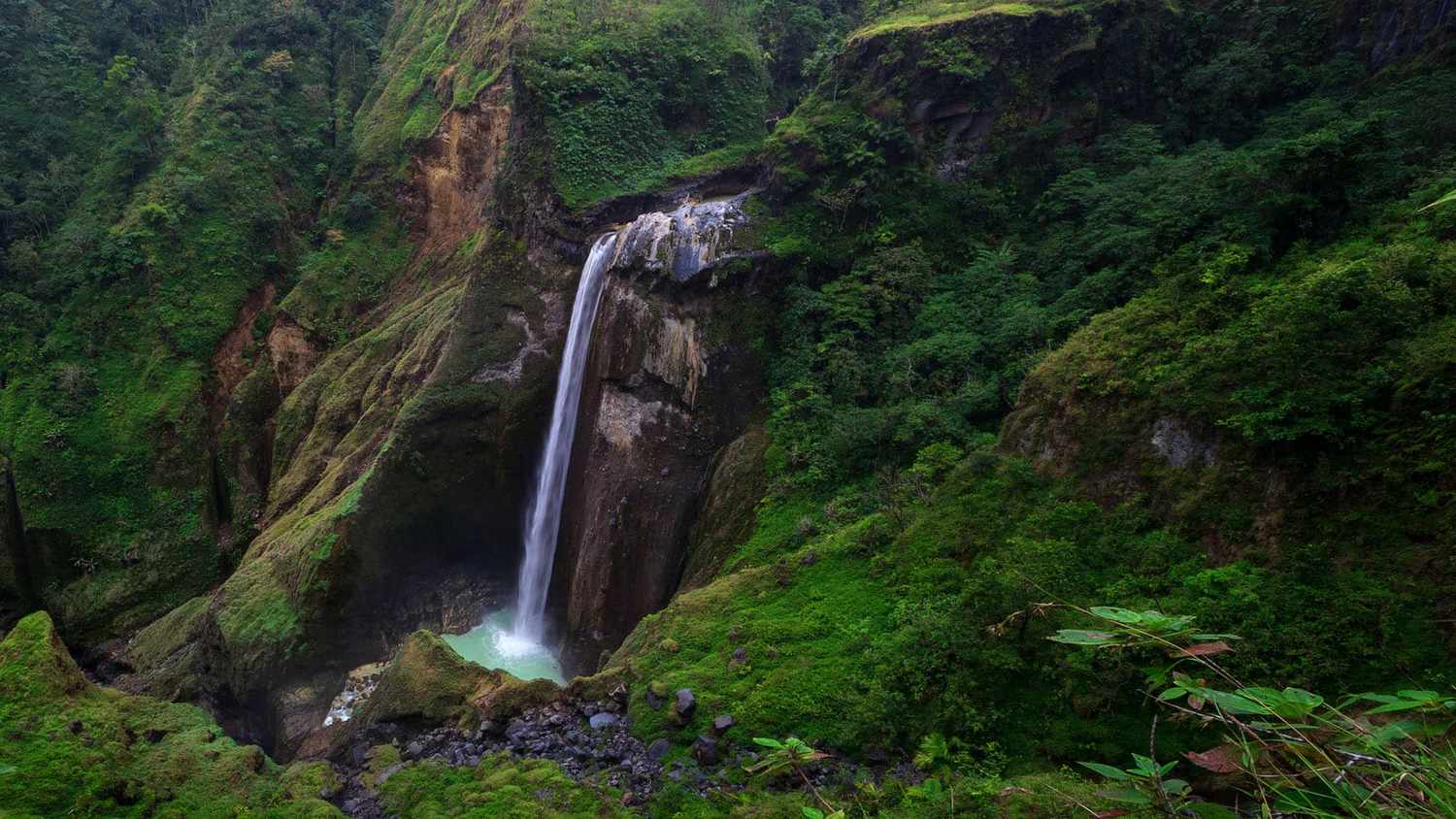
Torean was originally a pilgrimage path used by local Sasak people to reach Segara Anak Lake. It officially became a trekking route a few years back, but it’s still less crowded than Sembalun or Senaru. The scenery is unique: river valleys, waterfalls, and lush vegetation that feels different from the other two main routes.
We often combine Torean as a descent route after summiting from Sembalun. The contrast between routes makes the trek more memorable.
Aik Berik Route — Off the Beaten Path
Aik Berik is in Central Lombok, on the southern side of the mountain. This route doesn’t reach the main summit. It ends at the Aik Berik crater rim with views of Segara Anak Lake. A good choice if you want the Rinjani experience without the summit push.
Timbanuh Route — Quietest of All
Timbanuh sees the fewest hikers. Like Aik Berik, it doesn’t lead to the main summit. Choose this if you want to experience Rinjani in near-solitude.
Rinjani Routes Comparison Table
| Route | Starting Point | Summit Access | Difficulty | Character |
|---|---|---|---|---|
| Sembalun | East Lombok | Yes | Moderate–Hard | Open savanna, sunny |
| Senaru | North Lombok | Yes (via combo) | Moderate–Hard | Tropical forest, cooler |
| Torean | North Lombok | No (descent route) | Moderate | River valleys, waterfalls |
| Aik Berik | Central Lombok | No | Easy–Moderate | Forest, quiet |
| Timbanuh | East Lombok | No | Moderate | Most remote |
Which Rinjani Program Fits You?
Choose by your goal first: summit, lake or crater rim. Then compare the route and trekking days. Multi-day packages include Day 1 arrival and one hotel night; the one-day trek has no overnight stay.
Your first summit, decent fitness
The 3-day, 2-night Sembalun package focuses on the summit, with an arrival day in Senaru followed by two days on the mountain. You return through Sembalun without descending to Segara Anak Lake. Choose it if the summit is your main goal and you are prepared for a demanding final day.
Summit, lake and Torean descent
Choose the 4-day, 3-night program for the summit, Segara Anak Lake and the descent through Torean. This is a different itinerary from the summit-only 3D2N program; compare the daily walking stages before choosing.
Crater-rim views without the main summit
Choose the Senaru crater-rim package for 3 days 2 nights total, including 2 days 1 night trekking. You camp at the rim, without climbing the main summit or descending to Segara Anak Lake. This is still a demanding uphill trek.
Segara Anak Lake without the summit
Compare the Senaru–Torean lake package, 4 days 3 nights with the 5 days 4 nights option. These include 3 days 2 nights or 4 days 3 nights trekking respectively, plus the arrival hotel night. Both focus on the lake without the main summit.
One day, without an overnight stay
The Senaru crater-rim one-day trek returns on the same day. It is a strenuous option for fit, experienced trekkers, not a shorter version of an easy walk. No hotel night or overnight camping is included.
Rinjani views without the summit push
Not every great day in Sembalun ends at 3,726 meters. Pergasingan Hill (the “Mini Rinjani”), the Savana Propok–Kondo soft trek, and an all-ages village day trip all deliver the scenery at a fraction of the effort — we compare them honestly in Rinjani for beginners and families.
Experienced trekkers
Go long with the 5-day full program, or skip the crowds entirely on the Aik Berik route — quieter trails, same mountain.
Published rates for existing programs are on the Rinjani trekking prices page.
Not planning to summit at all? The 1-day Sembalun village walk shows you the valley below the mountain with no climbing — and the beginners guide above lists more easy options.
What’s Included
Facilities for Multi-Day Packages
The list below describes our existing multi-day programs. Exact transport arrangements, meals, equipment and park permits follow the facilities stated on the selected product page and your agreed quotation. For new programs marked “Price coming soon”, ask our team to confirm these details before booking. The one-day Senaru trek does not include a hotel night or overnight camping; its transport, meals, guide and permit arrangements are confirmed separately.
- Round-trip transport from Lombok International Airport, Mataram, or Senggigi to the trek starting point
- One-night accommodation at the basecamp before the trek
- Mount Rinjani National Park entrance fee (PNBP) for your full trek duration
- Licensed, experienced English-speaking guide
- Professional porters for shared gear
- Full camping equipment: tent, sleeping bag, mattress, cooking set, table and chairs, toilet tent
- Three meals per day plus snacks and drinks during the trek
- Welcome drink and pre-trek briefing
- Drop-off after the trek to Senggigi, Mataram, the airport, or Bangsal Harbor (for Gili Islands)
Not Included
- Flights to Lombok
- Accommodation after the trek
- Entrance fees for sites outside the National Park
- Insurance, including TNGR premium insurance, is not included in the package price.
- Tips for guide and porter (optional but appreciated)
- Personal expenses (laundry, souvenirs, food outside the package)
- Personal gear rental (trekking shoes, jackets — we can help arrange)
Optional Add-ons
- Personal porter for your daypack: IDR 350,000–400,000 per day
- Trekking shoes, jackets, daypack rental: ask our team
Booking, Payment & Cancellation Policy
Booking is straightforward: confirm your dates with us on WhatsApp, pay a 30% down payment to our company account (PT Langkah Liburan Bersama — Bank Mandiri), and settle the balance on the first day of your trek. Prefer a card? We can send a credit-card payment link (a 3.8% processing fee applies). If your plans change, this is the cancellation policy that applies to every Rinjani package:
- More than 7 days before the tour: the deposit is refunded, minus any non-refundable costs already paid to vendors.
- 3–7 days before the tour: 50% of the deposit is charged as a cancellation fee.
- Within 2 days, on the tour date, or no-show: the deposit is non-refundable.
In force majeure situations (bad weather, natural disasters, or government regulations), the itinerary may be adjusted, and any refunds follow the policies of the respective vendors. The full terms are listed on each package page and in our Terms & Conditions.
Meet Our Local Team
Senaru Locals Who Know the Mountain
Being based in Senaru means our team monitors mountain conditions daily, not from online reports. They know when certain trail sections get slippery during early-season rains, when wind at Pelawangan Sembalun makes tent setup tricky, and which areas tend to fog up at specific times of year.
A Word from Our Senior Guide
We once asked one of our senior guides what advice he’d give first-time Rinjani trekkers. His answer was short: don’t underestimate it, but don’t take it too seriously either. Set your intention, then enjoy the beauty of the place. Be wise about it.
We like that philosophy. Trekkers who’re too ambitious lose their sense of fun and end up frustrated halfway. Trekkers who underestimate the mountain put themselves in danger. The balance we want from guests is simple: serious about preparation, relaxed about the experience.
What Travel Blogs Don’t Tell You About Rinjani
- Summit attack is cold. Really cold. Temperatures can drop below 5°C with wind chill making it feel even colder. Most first-timers underestimate this and pack too light.
- The volcanic sand near the summit means two steps forward, one step back. It’s not normal hiking. Trekking poles help a lot.
- The trek doesn’t end at the summit. The descent is long, and that’s where most fatigue catches up with people.
- The hot springs near Segara Anak Lake are genuinely restorative. Almost every guest of ours names this as their favorite moment of the whole trip.
How Hard Is the Trek? An Honest Answer
Fitness Requirements
Rinjani isn’t a casual day hike, but you don’t need to be an athlete either. If you can walk for 6–8 hours a day with a daypack and don’t have major joint issues, you can do this trek with proper preparation.
What helps:
- Regular cardio (jogging, brisk walking) for at least 2–3 weeks before
- Stair climbing or hill walking on weekends
- Light strength training for legs and core
What “Bukit Penyesalan” (Hill of Regret) Really Feels Like
A series of steep switchbacks between Post 3 and the Sembalun crater rim. Locals named it Hill of Regret because most trekkers spend this section asking themselves why they signed up for this. It takes around 3 hours and gains nearly 800 meters of elevation.
The trick is pacing. Slow steady steps beat fast bursts. Most of our guides will keep you moving at a consistent rhythm rather than letting you sprint and burn out.
Altitude Sickness — What to Expect
3,726 meters isn’t extreme by Andean or Himalayan standards, but altitude affects different people differently. Mild symptoms (headache, nausea, sleep disturbance at the crater rim) are common.
How to reduce risk:
- Stay hydrated, sip water frequently rather than chugging
- Skip alcohol the day before and during the trek
- Bring paracetamol and anti-nausea medication
- Communicate with your guide if symptoms worsen. Never push through severe altitude sickness.
Preparation Checklist
4-Week Training Plan
Two to four weeks of regular training is realistic for most fit travelers:
- Cardio: 30–45 minutes of jogging or brisk walking, 3–4x per week
- Hill or stair training once a week
- Light leg strength training 2x per week
- Taper down 3 days before the trek
What to Pack
- Broken-in trekking shoes (NOT brand new ones)
- Layered clothing: base layer, fleece, windproof jacket
- Gloves and beanie
- Headlamp with spare batteries (essential for summit attack)
- Sunglasses and high-SPF sunscreen
- Lip balm and moisturizer
- Trekking poles (highly recommended)
- Power bank for camera/phone
- Personal medication
- Wet wipes, hand sanitizer
- Trash bag for personal waste (zero-waste policy applies)
What NOT to Bring
- New shoes you’ve never worn for long walks
- Cotton clothing (gets damp, stays damp, makes you cold)
- Excessive snacks (we provide plenty of food)
- Single-use plastic bottles (refillable bottles only)
Permits, Quotas, and 2026 Regulations
e-Rinjani Permit System
Every Rinjani trekker must be registered through the official e-Rinjani app. From 2026, the National Park sets a daily total quota of 700 climbers across all routes. We handle the entire permit process for our guests using our authorized trekking organizer allocation.
2026 Park Entrance Fees
As of November 3, 2025, Mount Rinjani was reclassified to Class I under Ministry of Forestry Regulation No. 17/2025. The revised entrance fees per day:
Class 1 routes (Sembalun, Senaru, Torean):
- Domestic visitor weekday: IDR 50,000
- Domestic visitor weekend: IDR 75,000
- International visitor weekday: IDR 250,000
- International visitor weekend: IDR 275,000
Class 2 routes (Aik Berik, Tetebatu, Timbanuh):
- Domestic weekday: IDR 20,000
- Domestic weekend: IDR 30,000
- International: IDR 200,000
Check the facilities listed for your chosen package to confirm the park fees covered. For programs marked “Price coming soon”, our team will confirm the price and inclusions in your quotation.
Trekking Season
Trails are closed every January 1 to March 31 for ecosystem recovery and rainy-season safety. The official trekking season runs April 1 to December 31. The best months are May, June, and September. Peak season (July–August) sees the highest demand, and quotas often sell out weeks ahead.
Insurance Is Not Included
Insurance, including TNGR premium insurance, is not included in our Rinjani package prices. Please ask our team about insurance arrangements before booking.
Responsible Trekking on a Sacred Mountain
Rinjani’s Significance to Local Communities
For Sasak (Lombok) and Balinese Hindu communities, Mount Rinjani is sacred. Segara Anak Lake is a site of pilgrimage and ritual. Annual ceremonies like Mulang Pekelem still take place around the lake.
We always remind guests: don’t shout in sacred areas, don’t throw anything into the lake, and follow your guide’s lead at culturally sensitive sites. It’s a small ask in exchange for being on a mountain that matters this much to local people.
Unwritten Trail Rules
- Pack out everything you pack in. The National Park has enforced a zero-waste policy since April 2025.
- Yield to and greet other trekkers. Help if someone’s struggling.
- Don’t damage vegetation or take souvenirs from nature. Edelweiss flowers are protected by law.
- No fires outside designated areas.
Our Zero-Waste Commitment
Our team carries extra trash bags and ensures all group waste comes back down with us. We use reusable containers and water dispensers wherever possible to minimize single-use plastic.
Questions & Answers
FAQ – Rinjani Trekking Package
How much does the Rinjani trekking package cost?
The price depends on the trekking duration, selected route, and whether you choose a private or group package. Generally, the more participants in one group, the lower the cost per person. As a 2026 guide, group rates start from IDR 2,850,000 per person for the 3-day summit package via Sembalun, up to IDR 5,370,000 for the full 5-day program — message us on WhatsApp with your group size and dates for an exact quote. The complete, always-current rates for every package are on our Rinjani trekking prices page.
Can a beginner climb Mount Rinjani?
Yes, with proper fitness preparation. We typically recommend the 4D3N package for first-timers because it offers a more relaxed pace and recovery time. Train for 2–3 weeks beforehand, focus on cardio and stair-climbing.
Which route is best for first-time trekkers?
Sembalun is the most popular choice for first-timers aiming for the summit. The early gradient is gentle, and the main challenge is concentrated in two sections (Hill of Regret and summit attack). For trekkers skipping the summit, Aik Berik offers a lighter alternative.
Do I need to register on e-Rinjani myself?
No. When you book with us, we handle all e-Rinjani permits and quota allocations. We just need a copy of your passport.
When is the best time to climb Mount Rinjani?
April through October during the dry season. May and September are sweet spots: stable weather, fewer crowds. July–August is peak season with the highest demand. Book at least 1–2 months ahead during peak.
Can I climb Rinjani solo?
Independent solo trekking on Mount Rinjani requires a registered guide by National Park regulations. You can book a private package with us as a single trekker. Your trip will be treated as private with your own guide and porter team.
What if I can’t make the summit?
No problem. A guide will accompany you back to camp while another guide continues with the rest of the group. We never pressure guests to push beyond their limits. Safety first, always.
What’s the difference between private and shared trips?
Private trip: just your group, fully customizable itinerary, more personal experience, higher per-person cost. Shared trip (open trip): joined with other travelers, fixed schedule, lower cost. Shared departures are listed on our Lombok open trip page.
Is there phone signal on the mountain?
Limited and patchy at most points, none at others. Don’t rely on phones for communication. Our guides have alternative communication channels for emergencies.
Can you accommodate dietary restrictions?
Yes. Vegetarian, vegan, halal, gluten-free, and other dietary needs are manageable with advance notice. Let us know during booking.
Where can I store my luggage during the trek?
We can arrange luggage storage at our partner accommodations in Senaru or Sembalun. Most basecamps offer secure luggage storage rooms.
How do I get to the trek starting point?
Our package includes round-trip transport from Lombok International Airport, Mataram, Senggigi, or Bangsal Harbor (for Gili Islands) to either Sembalun (3–3.5 hours) or Senaru (2.5–3 hours), depending on your chosen route.
Is Rinjani trekking safe?
Yes, when done with a licensed organizer. The Langkah Travel provides experienced guides, complete camping equipment, meals throughout the trek, and emergency protocols. We use official trekking organizer quotas regulated by the Rinjani National Park Authority.
What is the cancellation policy?
Cancel more than 7 days before the tour and your deposit is refunded minus any non-refundable vendor costs; 3–7 days before, a 50% cancellation fee applies; within 2 days or no-show, the deposit is non-refundable. Details in the booking & cancellation section.
Explore More
Lombok Tour Package Options
In addition to the Rinjani Trekking Package that we provide above, we’ve included a list of other tourism alternatives in Lombok Island.
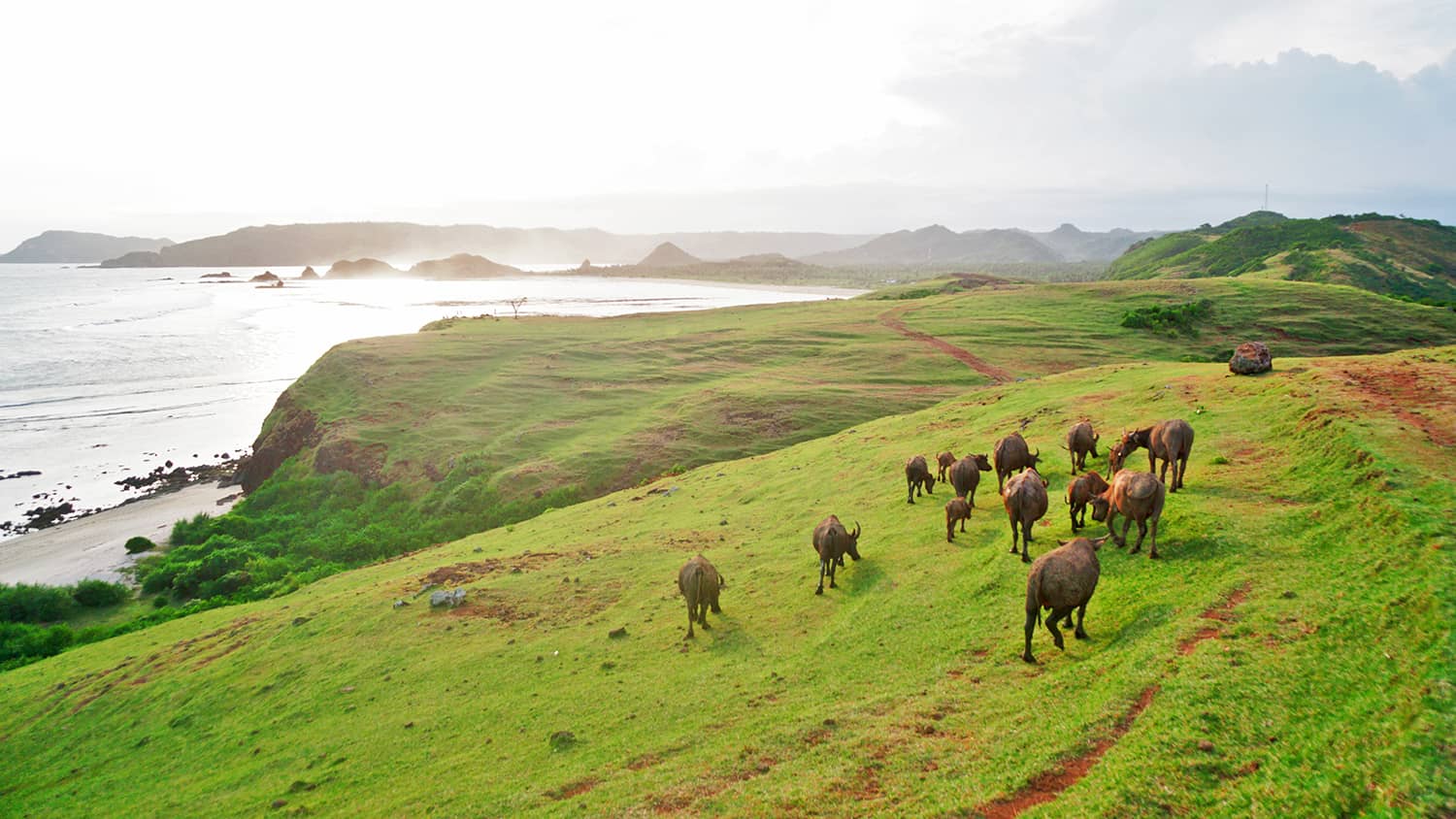
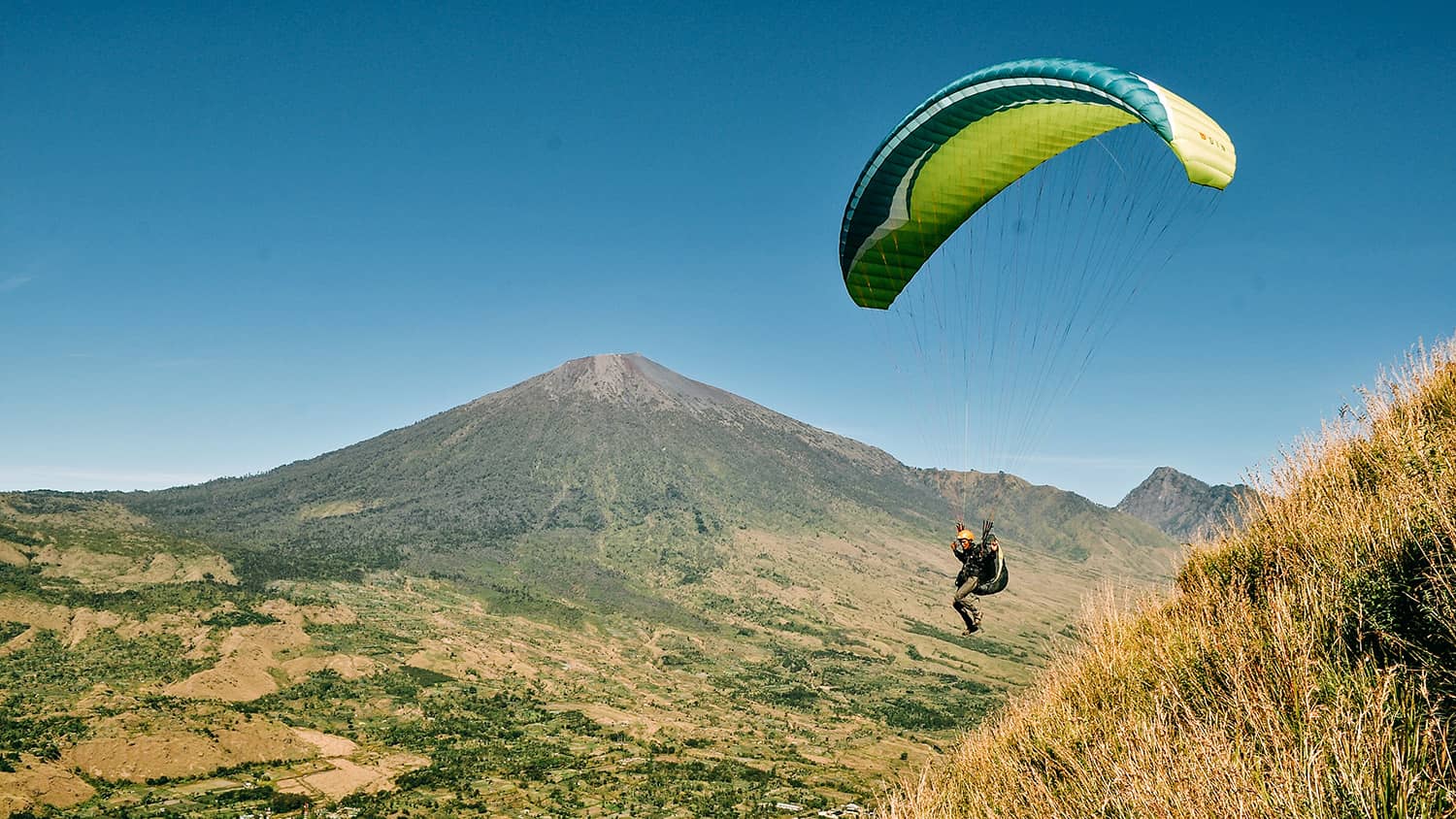
Lombok Open Trip, Lombok 1 Day Tour Package, Lombok Honeymoon Package, and Regular Lombok Tour Package are just a few of the options available.
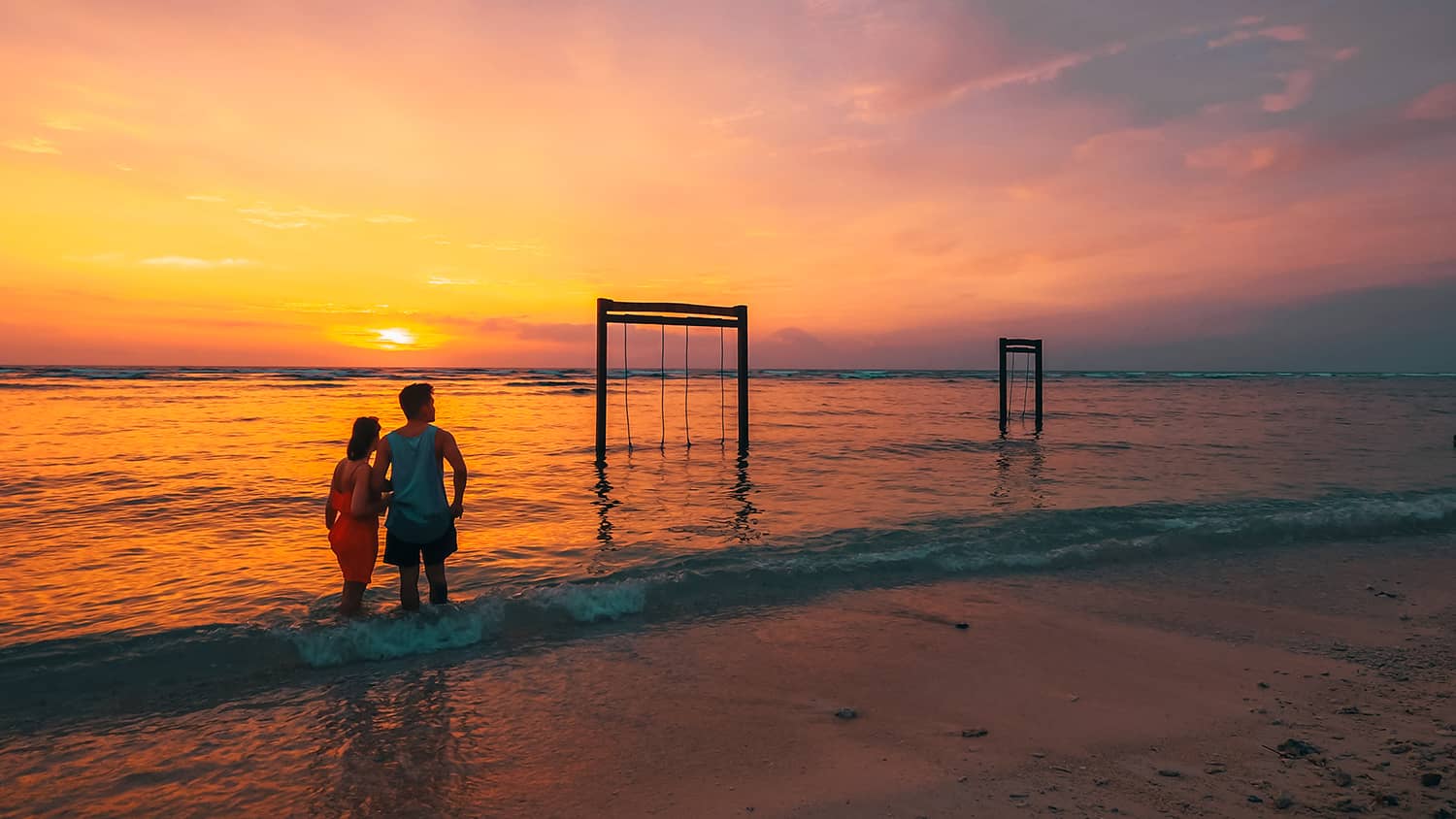
Articles & Inspiration
Tourism Articles About the Mount Rinjani National Park Area
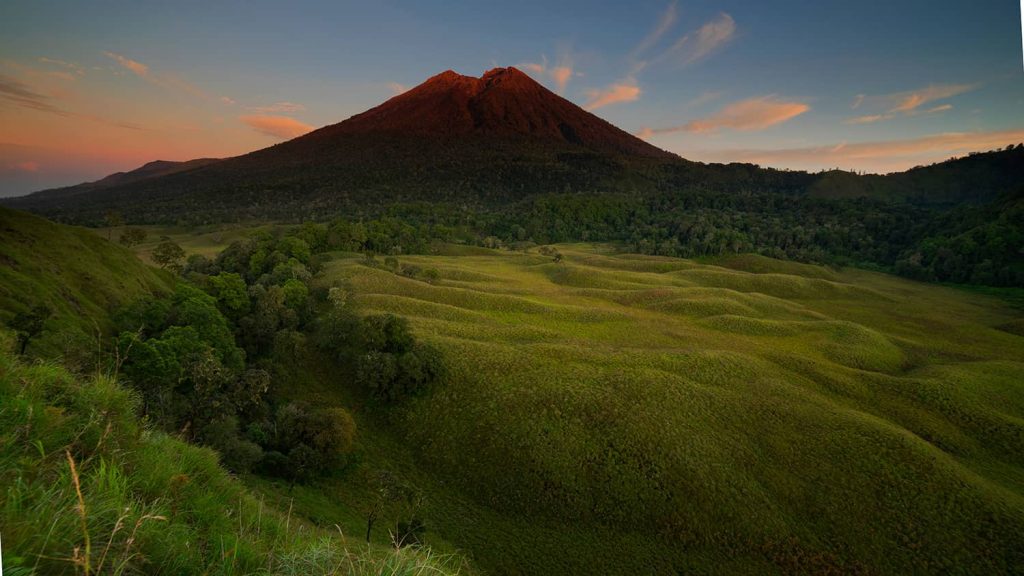
Kondo Hill and Savana Propok: Soft Trekking Tips
Kondo Hill and Savana Propok in Sembalun, Lombok, are emerging tourist destinations known for their … Read More
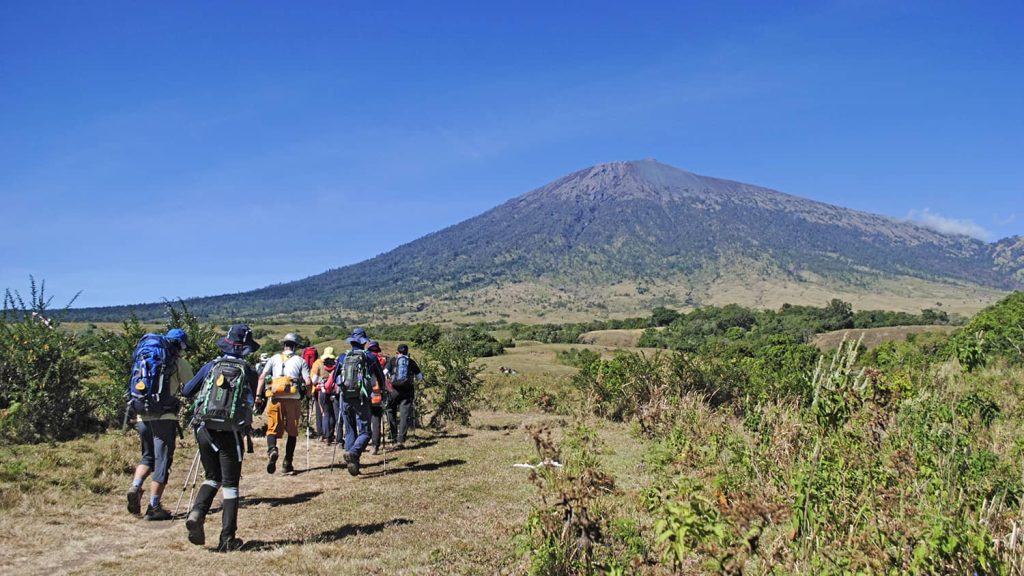
Mount Rinjani Trekking Routes: Compare Trails and Choose Your Route
Mount Rinjani stands at 3,726 meters on Lombok island, making it Indonesia’s second-highest active volcano. … Read More
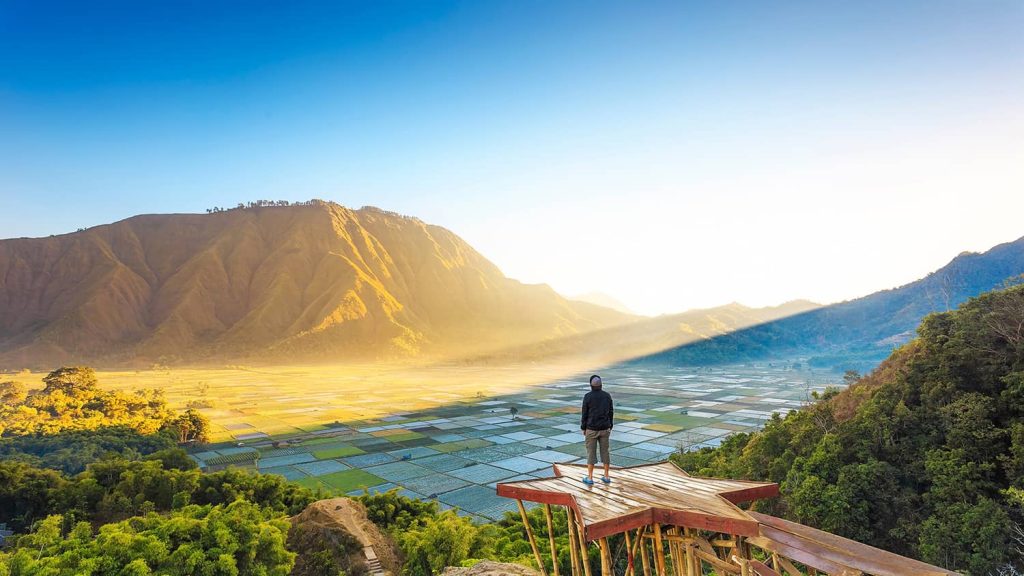
Sembalun Village Lombok: Complete Guide & Tips
Sembalun Village is Lombok’s best-kept secret—a fertile highland valley nestled at the foot of Mount … Read More
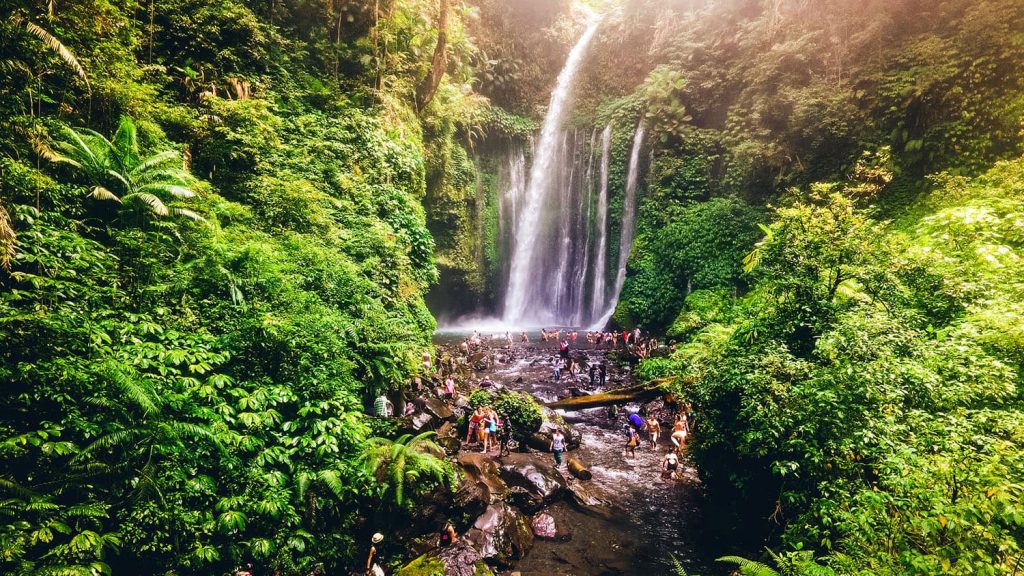
Tiu Kelep & Sendang Gile Waterfall: A Complete Guide to Senaru, Lombok
Tiu Kelep and Sendang Gile are two waterfalls in Senaru, North Lombok. You can visit … Read More
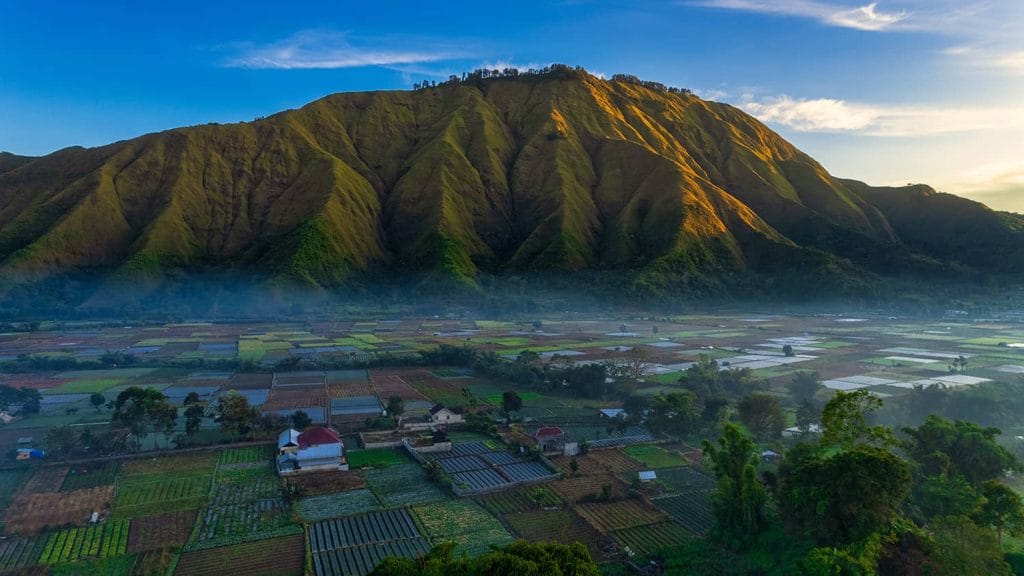
9 Beautiful Hills to Visit in Lombok
Lombok Island is blessed with incredible natural beauty. Beyond its pristine beaches and stunning waterfalls, … Read More
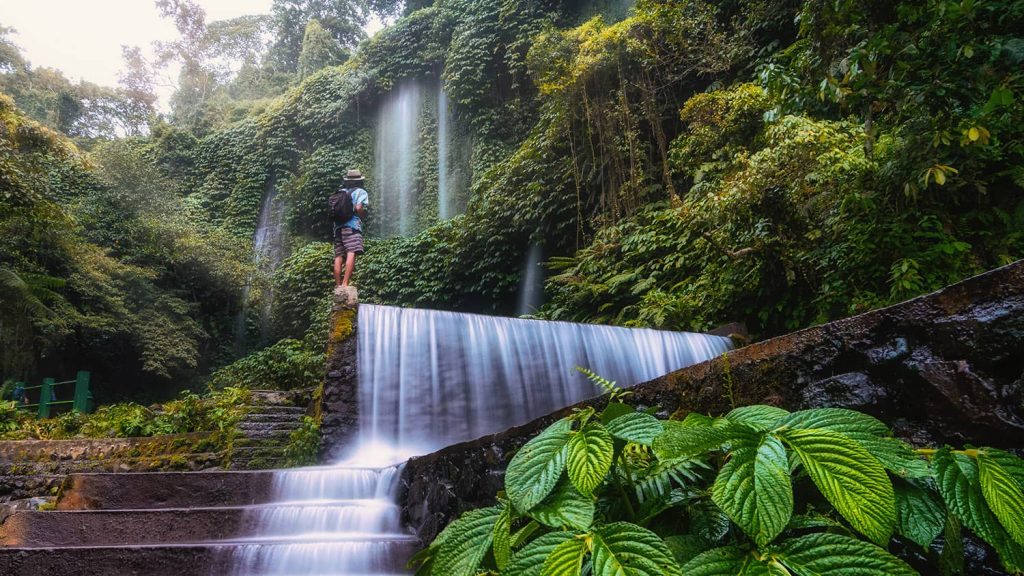
Benang Kelambu & Benang Stokel Waterfalls: Lombok Travel Guide
Benang Kelambu and Benang Stokel are two waterfalls in Aiq Beriq, Central Lombok. Benang Stokel … Read More
Still deciding which package fits?
Free, no-obligation consultation — our team replies quickly, 08.00–21.00 (GMT+8).
Need help choosing a package?
Free consultation · Fast reply 08.00–21.00 (GMT+8)