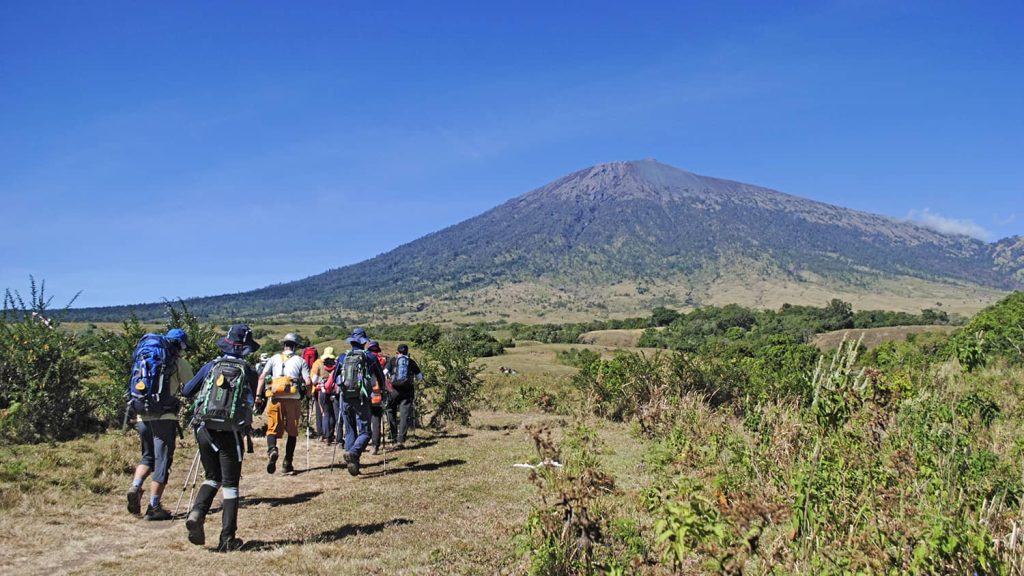
Mount Rinjani stands at 3,726 meters on Lombok island, making it Indonesia’s second-highest active volcano. But for trekkers planning the climb, the real question isn’t the height. It’s which route to take. The trail you choose shapes everything: how hard the trek will be, what scenery you’ll see, and whether you’ll actually reach the summit or stop at a crater rim.
Government tourism information lists six official routes: Sembalun, Senaru, Torean, Aik Berik, Timbanuh, and Tetebatu. This guide compares the first five in detail and adds a note on Tetebatu. Check the intended endpoint and current opening status of your route before planning a trek.
Sembalun, Senaru, Torean, Aik Berik, and Timbanuh: Quick Comparison
Here is a comparison of the five routes discussed in detail below:
| Route | Region | Trailhead | Reaches Summit? | Difficulty | Main Scenery |
|---|---|---|---|---|---|
| Sembalun | East Lombok | 1,156m | Yes (most direct) | Moderate–Hard | Open savanna |
| Senaru | North Lombok | 600m | No (crater rim only) | Moderate | Dense rainforest |
| Torean | North Lombok | 600m | Possible (via combination) | Hard (technical) | Valleys, waterfalls, hot springs |
| Aik Berik | Central Lombok | 720m | No (rim only) | Moderate | Coffee plantations, savanna, springs |
| Timbanuh | East Lombok | 720m | No (rim only) | Moderate–Hard | Forest, Mt. Barujari views |
Quick guidance:
- Targeting the 3,726m summit? Choose Sembalun.
- Want lake views without the summit push? Choose Senaru or Aik Berik.
- After waterfalls and dramatic valleys? Choose Torean.
- Looking for the quietest trail? Choose Timbanuh.
Sembalun Route: The Most Direct Path to the Summit (East Lombok)

Sembalun is the most popular Mount Rinjani trekking route for one reason: it’s the gateway to the summit. Almost every operator builds their summit packages around this trail.
Getting to Sembalun Village
From Lombok International Airport, Sembalun Lawang is about 3.5 hours by car. Most travelers book private transport (around IDR 600,000–800,000 for an Avanza or Innova). Public minibuses run via Mataram and Aikmel, but transit times can nearly double, and connections aren’t always reliable.
What the Sembalun Trail Is Actually Like
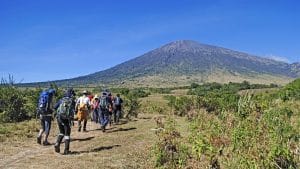
The trek starts at Bawak Nao gate in Sembalun Lawang. The first three posts cross open savanna. Sweeping views, but no shade for hours. Many trekkers underestimate this section because the terrain looks gentle, then realize the heat and distance are wearing them down before the real climb starts.
After Post 3 comes the section locals call Bukit Penyesalan (“Hill of Regret”). It’s a series of steep climbs that have made many trekkers question their life choices. The name is earned. From there, you reach Plawangan Sembalun at 2,639m, where most groups camp before the summit push.
The summit attack starts around 2 AM. The final ascent is Letter E, a 1,000-meter elevation gain on loose volcanic sand. The famous saying applies: three steps forward, one step sliding back. This is where mental endurance matters more than fitness.
Who This Route Suits
The Sembalun route works for you if:
- You’re set on reaching the 3,726m summit.
- You’ve done multi-day hikes before, or have spent at least 4–6 weeks on cardio prep.
- You’re comfortable trekking under direct sun for hours.
Rinjani Trekking Package 4 Days 3 Nights Via Sembalun
From
IDR 3,860,000
per person
Senaru Route: The Rainforest Trail to Segara Anak Lake (North Lombok)
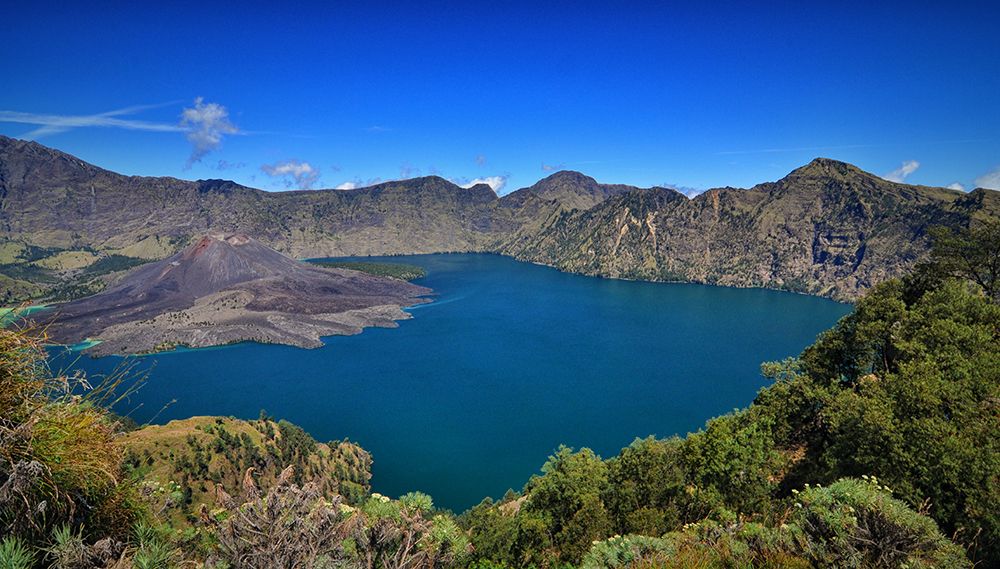
If Sembalun is summit-focused, Senaru is scenery-focused. The trail moves through dense tropical rainforest. It’s shadier, cooler, and full of birdsong all the way up.
Getting to Senaru Village
Senaru is closer to the airport than Sembalun, around 2.5–3 hours by car. Private transport runs around IDR 600,000. Public transport options are limited, so most trekkers book a private transfer.
A bonus: Senaru is right next to Sendang Gile and Tiu Kelep waterfalls. Many of our guests visit these the day before or after the trek.
What the Senaru Trail Is Actually Like
The trek starts at around 600 meters in Senaru village. The first three posts cut through thick forest. You’ll barely see direct sunlight until close to the rim. The climb is steady and long rather than punchingly steep. The biggest practical issue is water. Post 2 has a source, but it often runs dry outside the rainy season, so plan accordingly.
After Post 3, the trail breaks out of the forest and turns to sand and rock, leading to the Senaru Crater Rim at 2,641m. The view from here looks straight down into Segara Anak Lake with Mount Barujari rising from the middle. Many regulars consider this one of Indonesia’s best viewpoints.
One thing to know: the standard Senaru route does not reach the main summit. To summit, you’d descend to the lake and ascend via the Sembalun side. This is why combination treks (Sembalun up, Senaru down) are so popular for full-experience packages.
Who This Route Suits
Senaru works for you if:
- The lake view is your goal, not the summit.
- You prefer shaded forest trekking over open savanna.
- It’s your first multi-day trek and you want a more forgiving introduction.
Torean Route: Waterfalls, Valleys & Hot Springs (North Lombok)
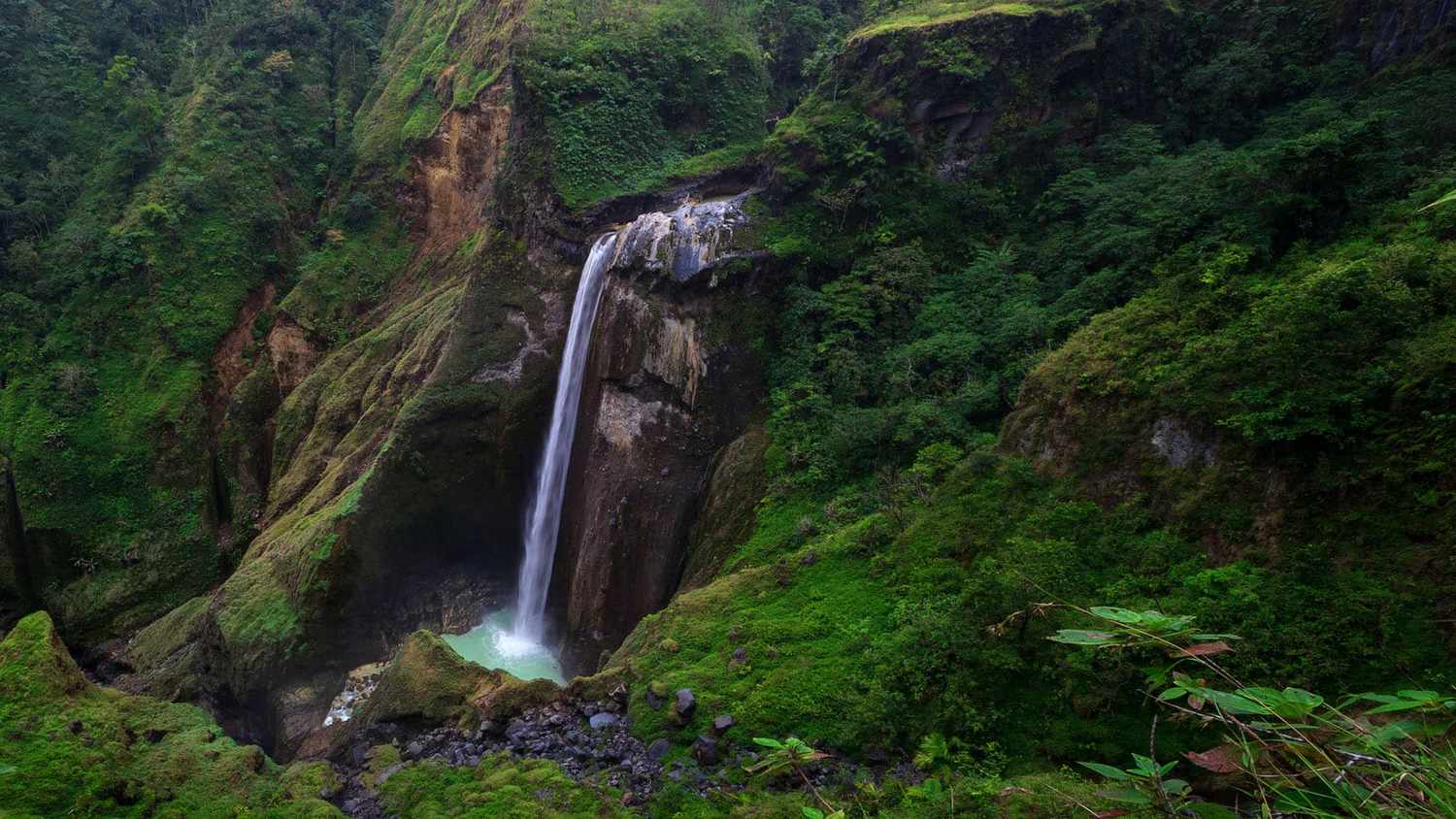
Torean was originally a pilgrimage path used by local Sasak people to reach Segara Anak Lake. It became an officially registered trekking route a few years back, and it’s still much quieter than Sembalun or Senaru.
Getting to Torean Village
Torean sits in Bayan district, North Lombok, near the Senaru area. Drive time from the airport is around 3 hours. Private transport costs around IDR 600,000, similar to Senaru.
What the Torean Trail Is Actually Like
What sets Torean apart is the landscape. You walk through deep valleys, river crossings, and several waterfalls, including Penimbungan, a popular photo stop. Some trekkers call it the “Jurassic route” because the steep cliffs and dense vegetation feel like a movie scene.
The terrain is technical. Expect steep up-and-down sections, river fording, and stretches near active hydrothermal vents. The payoff: you finish near the natural hot springs by Segara Anak Lake. That’s closer to the springs than any other route reaches.
Who This Route Suits
Torean is a fit for you if:
- You’ve trekked Rinjani before (or other challenging mountains) and want something different.
- You’re comfortable with technical trail conditions.
- Waterfalls, valleys, and hot springs are higher on your list than the summit itself.
We often build Torean as the descent route after summiting from Sembalun. Sembalun up, summit, Torean down. This combination gives the most varied scenery on the entire mountain.
Aik Berik Route: The Lush Southern Approach (Central Lombok)
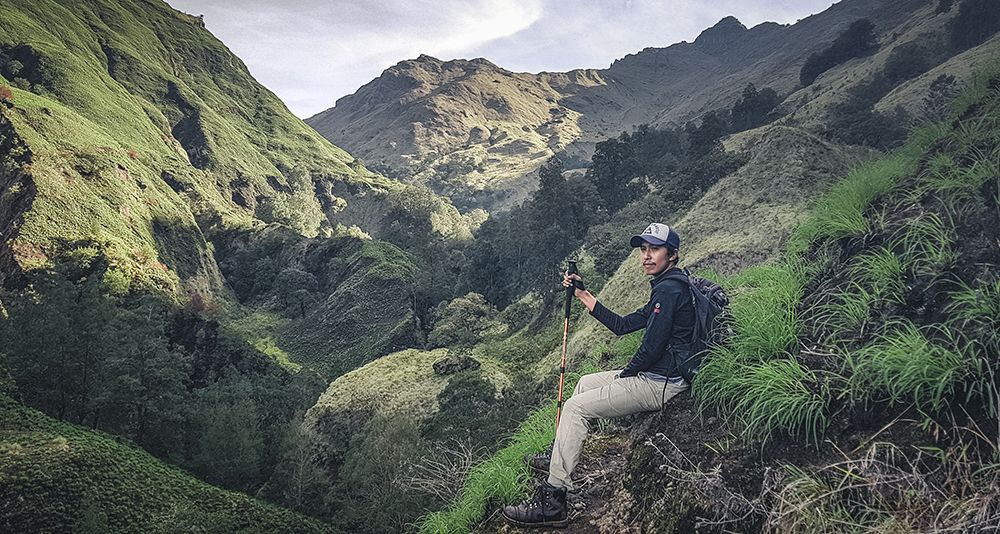
Aik Berik sits on Rinjani’s southern slope, away from the tourist concentration in the north and east. The trail has a defining feature most others lack: reliable water sources at almost every post.
Getting to Aik Berik Village
From the airport or Mataram, Aik Berik is around 1.5–2 hours by car. Private transport runs IDR 500,000–600,000. There’s also a public bus to Mantang village, then an ojek (motorbike taxi) to the basecamp.
What the Aik Berik Trail Is Actually Like
The first three posts pass through smallholder coffee and orange plantations, then enter dense forest with tall fern undergrowth. Water sources at nearly every post mean you don’t need to carry as much. After Post 3, the route opens into wide savanna leading to Plawangan Umar Maya, with views of the summit and lake from a different angle than the northern routes.
Like Senaru, the standard Aik Berik route doesn’t go to the summit. Most packages on this trail focus on reaching the rim and returning.
Who This Route Suits
Aik Berik works for you if:
- You want a quieter trail than Sembalun or Senaru.
- You’re not focused on the summit.
- You enjoy varied scenery: plantations, forest, and savanna in one trek.
Rinjani Trekking Package 3 Days 2 Nights Via Aik Berik
From
IDR 2,850,000
per person
Timbanuh Route: The Quietest Trail on Rinjani (East Lombok)
Of the five routes, Timbanuh sees the fewest hikers. Many trekkers don’t even know it exists. For anyone after solitude, this is the strongest option.
Getting to Timbanuh Village
Private transport from the airport or Mataram runs around IDR 600,000. The public route goes via Aikmel, then ojek to the basecamp.
What the Timbanuh Trail Is Actually Like
The trail opens through forest and farmland. One thing we always tell guests: around Post 2 you’ll often see signs of wild boar foraging, so don’t pitch tents in that area. Camp at Post 1 or push on to Post 3.
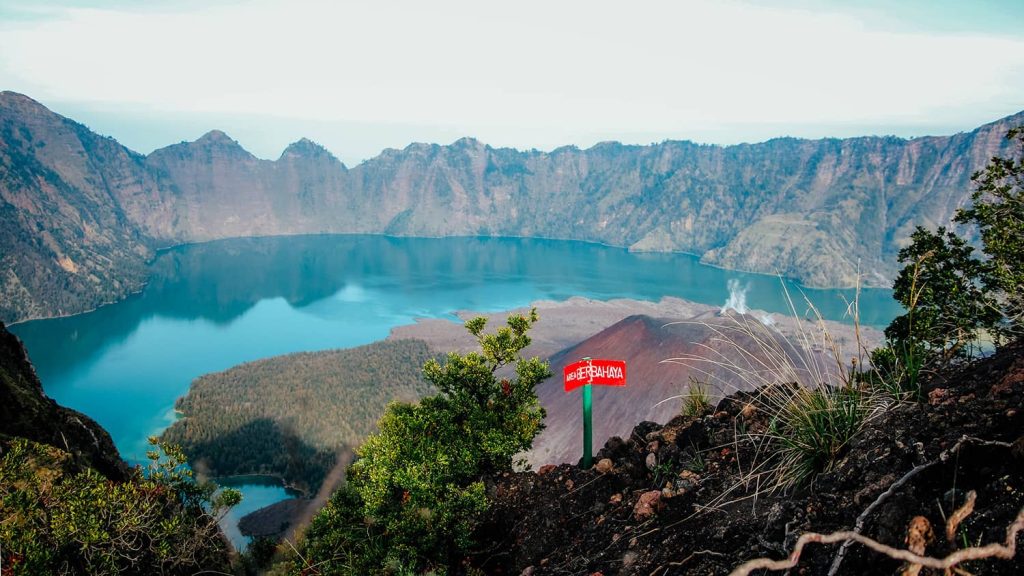
Plawangan Timbanuh sits at 2,700m, slightly higher than other rims. The view of the crater and Mount Barujari from here is exceptionally close. The trail is steep though, and if you want to descend further to Segara Anak Lake, do it with a guide who knows the terrain well.
Who This Route Suits
Timbanuh is a fit for you if:
- You want as little human company on the trail as possible.
- You’ve done other mountain treks and steep terrain doesn’t bother you.
- The summit isn’t your priority.
Tetebatu: Another Official Route
Tetebatu is also listed among the six official routes in Indonesia Travel’s Rinjani information. The national park published a Tetebatu trail survey report in February 2026. Confirm the destination, current trail conditions, quota, and permit through TNGR or e-Rinjani before choosing this route. An official trail does not necessarily lead directly to the main 3,726m summit.
How to Choose the Right Mount Rinjani Route
If the options still feel overwhelming, run through three filters.
By Goal
- Want the 3,726m summit? Sembalun (up) → optional Senaru or Torean (down).
- Lake and hot springs? Senaru or Torean.
- Full experience (summit + lake + forest)? Sembalun up, Senaru down. Usually a 3D2N or 4D3N package.
By Experience & Fitness
- First-time multi-day trekkers: Senaru or Aik Berik to the rim, no summit attack.
- Intermediate (some 2,000m+ peaks behind you): Sembalun to the summit.
- Experienced trekkers: Torean, or Sembalun-Torean combination.
By Time Available
- 2 days, 1 night: Crater rim only via Senaru or Aik Berik.
- 3 days, 2 nights: Summit attack via Sembalun, return same route.
- 4 days, 3 nights: Sembalun up, summit, lake, Senaru down. The most popular package and usually the best value.
Mount Rinjani Permits and Fees (2026 Update)
Every trekker, Indonesian or international, has to register before the climb.
2026 Permit Fees (Simaksi)
The TNGR permit structure changed significantly in recent years. Current 2026 rates:
Indonesian Citizens (WNI):
- Weekday: IDR 50,000 per day
- Weekend & national holidays: IDR 75,000 per day
International Visitors (WNA):
- Weekday: IDR 250,000 per day
- Weekend & national holidays: IDR 275,000 per day
- Premium TNGR insurance: IDR 290,000 per person (optional, if you already have personal travel insurance covering high-altitude trekking, you can skip this)
For a 3-day trek, multiply the daily rate by three. These fees cover the permit only. Guides, porters, food, and equipment are separate costs handled through your trekking operator.
Registration via eRinjani
TNGR uses a digital booking system now. You’ll need to register through:
- Official website: www.erinjani.id
- Mobile app: eRinjani on Google Play
Daily permit slots are limited. Walk-in registration is unreliable during peak season (July–August). Book at least 3–7 days ahead, and earlier during busy months.
Annual Closure: January–March
Mount Rinjani closes every year from January through March. This isn’t operational laziness. TNGR closes the trails for ecosystem recovery and because weather conditions during these months (heavy rain, mudslides, slippery trails) create real safety risks. If you see an operator offering Rinjani treks in February, that’s a red flag.
Local Tips from Our Senaru-Based Guides
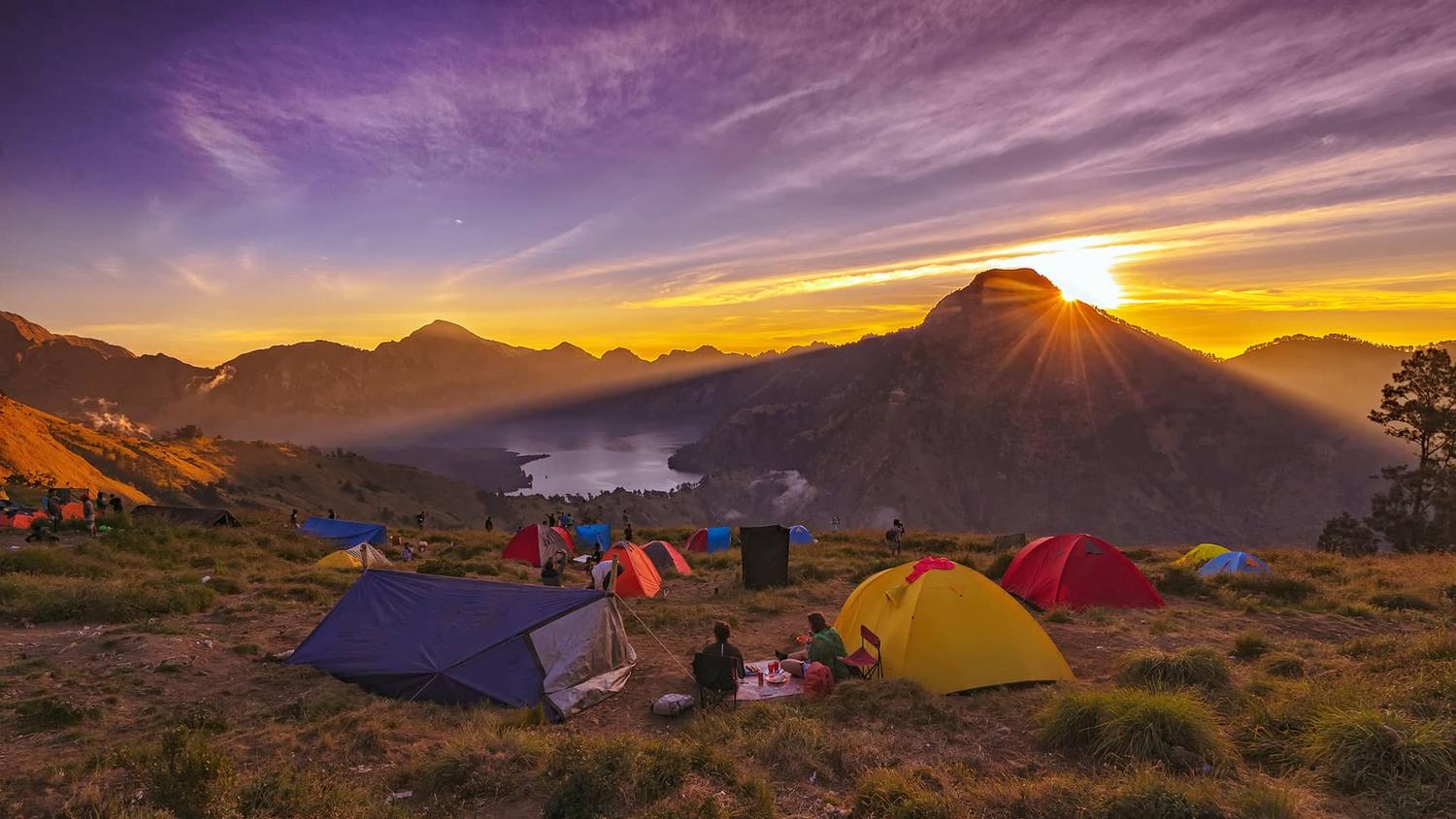
Our Lombok team has been guiding Mount Rinjani treks since 2015. A few things we see season after season.
Pick the right month. July and August are peak season. Busy trails, full campsites, eRinjani slots booked out fast. If you want a quieter trail with fresher scenery, April and May are our favorite months. The mountain reopens after the annual closure, the vegetation is fresh, the trails aren’t crowded yet, and the weather is usually stable.
Don’t skip the physical prep. The most common reason guests struggle isn’t fitness level on day one. It’s underestimating the trek. Trekkers show up assuming they’ll figure it out on the trail, then hit a wall halfway up Bukit Penyesalan. Four to six weeks of prep (running, stair climbing, weighted hikes) makes a substantial difference. Mental prep matters too. Letter E during the summit push is a serious test.
That said, don’t stress out either. Rinjani is challenging, but the climb is supposed to be enjoyable, not an endurance test. Take it easy. Rest when tired. Ask the guide when uncertain. The trekkers who relax into the experience tend to summit in better shape than the ones who panic from day one.
One thing about personalities on the mountain. A running joke among our guides: people’s real personalities show up when they’re exhausted. We’ve seen polite, easygoing guests turn snappy by Post 3, and quiet ones become the energy of the group. We’ve even had guests get into arguments with their own travel partners during the climb. Most trips go smoothly, of course. But Rinjani has a way of revealing things about people, including themselves.
Practice Leave No Trace. Carry down everything you bring up, including organic waste. Don’t pick edelweiss flowers (they’re protected and have spiritual meaning to the Sasak people). No open fires anywhere along the trail to Segara Anak. Only portable stoves are allowed.
Frequently Asked Questions
Which Mount Rinjani route is best for beginners?
For first-time multi-day trekkers, Senaru or Aik Berik to the crater rim are the most realistic options. Both skip the summit attack. If you’re a beginner who really wants the summit, book the Sembalun 4 days, 3 nights package rather than 3D2N to give yourself an extra recovery day.
Do I need a licensed guide?
Yes. Per TNGR regulations, every Mount Rinjani trek requires a licensed guide and porter. Beyond the rule, the mountain has rapidly changing weather, unclear trail sections, and active volcanic zones near Mount Barujari. Local guide knowledge isn’t optional.
What’s the best time to climb Mount Rinjani?
April–May for quieter trails and fresh scenery. June–September for the most stable, dry weather (but expect crowds in July–August). October–December is still possible, but the rainy season starts setting in. January–March is closed. Don’t trust any operator offering treks during these months.
How much does a Mount Rinjani trek cost?
For a complete WNI 3D2N package via Sembalun, expect IDR 2,000,000–3,500,000 per person. For international visitors, packages typically run USD 250–USD 350 per person. This usually covers permits, guide, porter, meals, camping equipment, and airport-to-basecamp transport. Variables include group size, duration, and route combinations.
Can I ascend and descend through different routes?
Yes, and this is actually the most common choice for full-experience packages. Sembalun up, Senaru down and Sembalun up, Torean down are the two most popular combinations. Your operator will arrange transport pickup at the different exit point.
Each route has a different character and trekking objective. Whichever trail you pick, Mount Rinjani gives you an experience that stays with you long after the soreness in your legs fades. If you’re still unsure which route fits your fitness level, schedule, or trekking goals, our team at The Langkah Travel is happy to help via WhatsApp or through our Mount Rinjani Trekking Packages page.